Low-Waste Kitchen Swaps That Save Money
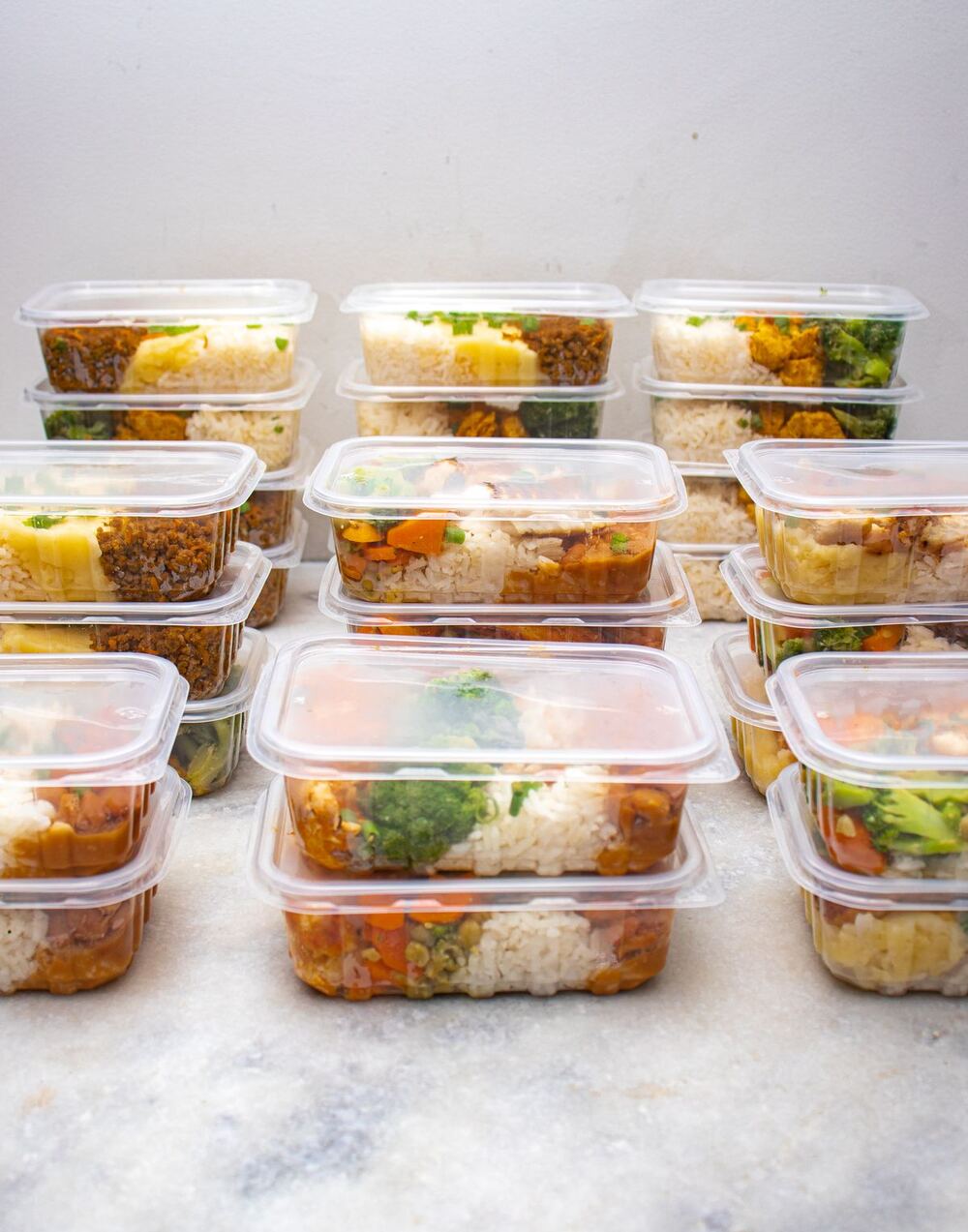
Kitchens produce a large share of household waste, from packaging to food scraps. These swaps focus on habits that cut waste and often save money. We skip products that sound green but add little.
Start with food waste
Wasted food is wasted money and energy. The US EPA's waste guidance puts preventing waste first, ahead of recycling. Our guides give practical steps: reduce food waste, meal planning and storage and composting.
Swaps worth making
Food storage
- Jars and containers you already have replace plastic wrap and bags. Reuse glass jars from sauces.
- Plates or bowls on top of dishes work as covers.
- Wax or cloth wraps are optional. They help some people but are not required.
Cleaning
- Washable cloths instead of paper towels for most spills.
- A dish brush or washable sponge, replaced when worn.
- Concentrated or refill soap to reduce bottles. See our cleaning guide.
Shopping
- Bring your own bags and use produce bags you already own.
- Buy loose produce where it is not pre-wrapped.
- Choose larger packs of items you use often, if you will finish them before they spoil.
- Buy what you will cook this week. A list helps.
Cooking
- Use lids on pots and match pan size to burner. This reduces energy use.
- Use a microwave, toaster oven or slow cooker for small meals when it is more efficient than a big oven. Smaller appliances heat less space, which is why they often suit small meals, though results vary by model.
- Cook in batches and freeze portions.
Dishwashing
Our guide on dishwasher vs. handwashing covers when each uses less water and energy. Run full loads, scrape rather than pre-rinse and use air dry if your machine has the setting.
Drinks
- Filter tap water if you do not like the taste, rather than buying bottled water, where tap water is safe to drink.
- Carry a reusable bottle. See reusable vs. disposable.
Swaps that are not worth buying new
- Bamboo or silicone items bought to replace plastic items that still work.
- Sets of matching reusable containers when you have jars already.
- Anything marketed as "eco" with no specific claim. See the greenwashing guide.
A simple order to work through
- Use up and reuse. Before buying anything, see what you already have: jars, tins, old tea towels, spare containers. Many "kitchen swap" lists skip this step.
- Fix the biggest source of waste. For most households this is food that is bought and not eaten, not packaging. Planning meals for a week and checking the fridge before shopping makes the largest difference for the least money.
- Replace items only when they wear out. When a sponge, a container or a pan has reached the end of its life, replace it with a durable option.
- Choose items you will use daily. A product used daily earns back its footprint. One that sits in a cupboard does not.
Example: one week of low-waste habits
- Sunday: check the fridge, write a list of meals and a shopping list. Move older food to the front.
- Monday to Wednesday: cook once, eat twice. Freeze half of any big batch.
- Thursday: use up leftover vegetables in soup, stir-fry or an omelet.
- Friday: wash and reuse storage jars. Put scraps in the compost or food scrap collection if available.
- Weekend: shop with bags, buy only what is on the list.
Appliances
If you are replacing an appliance, look for ENERGY STAR. See our refrigerator guide. Do not replace a working appliance only for the label unless it is very old.
Quick checklist
- Plan meals and shop with a list.
- Reuse jars and containers.
- Use cloths for most spills.
- Compost or donate food where possible.
- Choose small appliances for small jobs.
Sources
- US EPA, "Frequent Questions on Recycling": https://www.epa.gov/recycle/frequent-questions-recycling
- Other guides on this site cite their own sources for food waste, dishwashing and refrigerators.
General information only. For electrical, gas, health or safety questions, follow product labels and local rules, and ask a qualified professional. See our editorial policy for how articles are prepared and corrected.