Composting at Home: What to Add, What to Avoid and How to Start
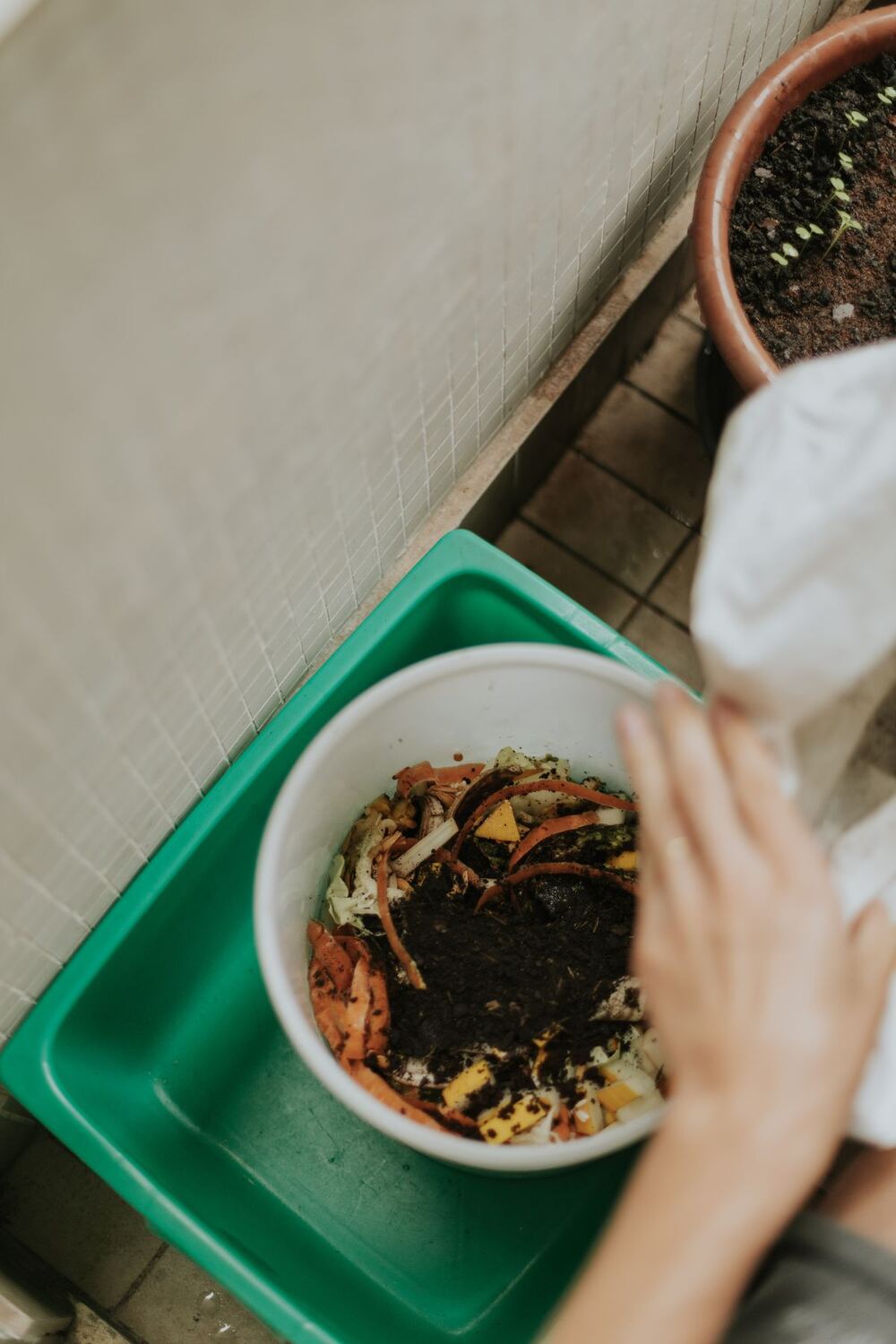
The US Environmental Protection Agency (EPA) describes composting as managed, aerobic (oxygen-requiring) biological decomposition of organic materials by microorganisms. The end product is compost, a stable soil amendment you can use to build soil health and feed plants.
You can compost at home with kitchen scraps and with dry leaves and woody material from your yard. The EPA says composting needs minimal effort, equipment, expense and expertise.
Why compost
According to the EPA, home composting:
- Reduces the amount of food scraps and yard trimmings sent to landfills or incinerators.
- Saves money by producing free soil amendment, reducing the need for fertilizer and pesticides.
- Improves soil, helps prevent erosion, conserves water and improves plant growth.
- Helps soil absorb and hold water, which can reduce erosion and flooding in heavy rain and help plants through drought.
- Stores carbon in the soil when compost is applied to land.
Food waste in landfills also produces methane. Preventing waste comes first. See our guide to wasting less food. Composting handles what is left.
The four ingredients
The EPA lists four things a pile needs: carbon-rich materials ("browns"), nitrogen-rich materials ("greens"), water and air.
| Greens (nitrogen-rich) | Browns (carbon-rich) |
|---|---|
| Fruit and vegetable scraps | Dry leaves |
| Grass clippings | Plant stalks and twigs |
| Coffee grounds and paper filters | Shredded non-glossy paper and brown bags |
| Paper tea bags (no staples) | Shredded cardboard (no wax, tape or glue) |
| Crushed eggshells | Untreated wood chips |
Aim for more browns than greens by volume if the pile is wet or smelly, and add greens if it is dry and slow. A common starting point is about two to three parts browns to one part greens by volume. Treat that as a rule of thumb and adjust.
What to keep out of a backyard pile
The EPA says to avoid adding:
- Meat, fish and bones.
- Cheese and dairy products.
- Fats, oils and grease.
- Cooked food (small amounts are fine).
- Compostable foodservice ware and compostable bags.
- Plants or grass treated with herbicides.
- Aggressive weeds and weeds with seeds.
- Diseased or pest-infested plants.
- Treated or painted wood.
- Pet waste and cat litter.
- Dryer lint.
- Glossy paper.
- Produce stickers.
Meat, dairy and grease attract pests and can smell. Some municipal programs accept these, so check local rules.
Steps for backyard composting
- Choose a spot. Pick a dry, shady spot near a water source. Place the bin or pile on bare earth so worms and other organisms can reach it.
- Start with browns. Lay twigs or straw a few inches deep for airflow.
- Add greens and browns in layers. Chop or shred large items. Smaller pieces break down faster.
- Keep it moist like a wrung-out sponge. Water if dry. Add browns if soggy.
- Turn it. Mix the pile every week or two to bring in air. A pitchfork or compost aerator works.
- Wait. Depending on size, mix and weather, compost can be ready in a few months to a year. It is ready when it is dark, crumbly and smells like earth.
Avoid rodents
The EPA has a section on avoiding rodents. Common steps are to leave out meat, dairy and oils, bury fresh food scraps in the center of the pile, use a closed bin with a secure lid and small-hole mesh, and keep the pile turned. If rodents are a problem in your area, a sealed tumbler or worm bin may suit you better.
Worm composting (vermicomposting)
If you do not have a yard, the EPA lists worm composting as an option for homes. A closed bin with red wiggler worms, bedding such as shredded newspaper and small amounts of fruit and vegetable scraps can work under a sink or in a balcony. Do not overfeed, keep the bedding damp and avoid citrus, onion, meat and dairy in large amounts.
No space? Use a community program
The EPA says that if you cannot compost at home, you can look for a municipal or community composting program that collects food scraps or offers a drop-off point. Some countries and cities offer curbside food scrap collection. The EPA also notes that countertop appliances that grind and dehydrate food scraps do not produce compost. They produce a dried food scrap mixture that can be added to a composting system.
Using finished compost
Spread a thin layer on garden beds, mix it into potting soil at about a quarter or a third of the volume, or use it as top dressing for lawns and around shrubs. Do not use it as pure potting mix for seedlings. Always wash vegetables from the garden.
Troubleshooting
- Smells bad: too wet or too many greens. Add dry browns and turn the pile.
- Not heating or breaking down: too dry, too few greens or too small. Add water and greens and turn it.
- Pests: remove meat, dairy and grease and use a closed bin.
- Fruit flies: bury fresh scraps and cover with browns.
Sources
- US EPA, "Composting At Home": https://www.epa.gov/recycle/composting-home
- US EPA, "Preventing Wasted Food At Home": https://www.epa.gov/recycle/reducing-wasted-food-home