Sustainable Home Cleaning: Do You Need Disinfectant?
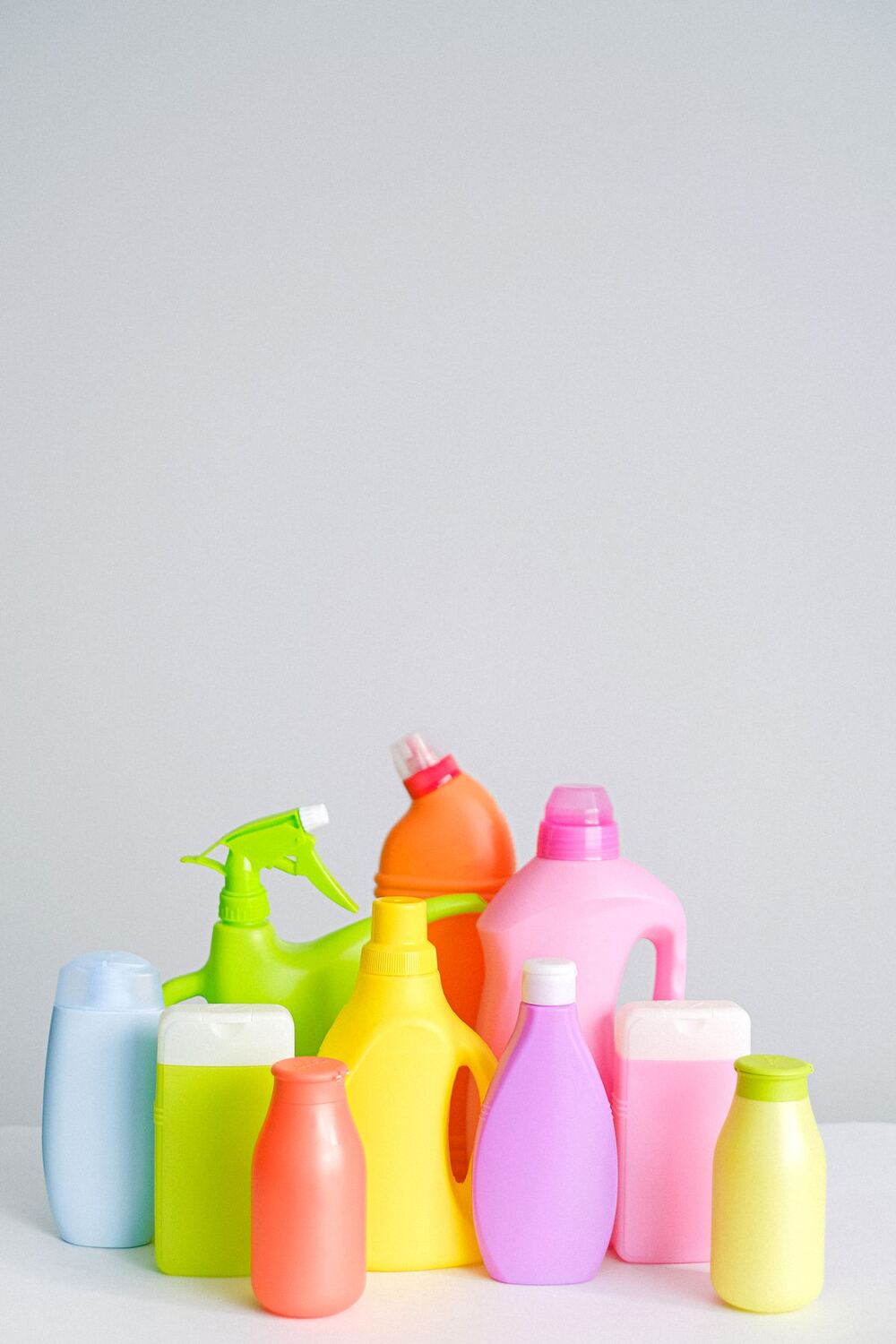
A clean home does not need a cupboard full of specialty sprays. The US Centers for Disease Control and Prevention (CDC) says that cleaning with soap and water removes most germs from surfaces, and that disinfecting is likely not needed in a home unless someone is sick or a person with a weakened immune system lives there. Using fewer, simpler products saves money, cuts packaging and reduces exposure to harsh chemicals.
Clean first, disinfect only when needed
Cleaning removes dirt and germs. Disinfecting uses chemicals to kill germs left on a surface. The CDC says to clean surfaces first, because dirt can make disinfectants less effective.
For most days:
- Warm water and a little dish soap handle kitchen counters, tables, sinks and floors.
- A microfiber cloth or washable cotton rag picks up dirt without disposable wipes.
- Focus on frequently touched surfaces such as door handles, light switches and phones.
Disinfect when someone in the home has a contagious illness, after handling raw meat juices on a surface, or after cleaning up certain bodily fluids. For food surfaces, rinse after disinfecting if the product label says so.
If you use bleach, use it safely
The CDC gives these rules for household bleach:
- Never mix bleach with other cleaners or disinfectants. Mixing with ammonia or acids can create toxic gases.
- Ventilate. Open windows and doors while using it.
- Check the label. Use a product that says it is a disinfectant or sanitizer and follow the directions. Do not use expired bleach.
- Dilute it. For a general disinfecting solution, the CDC says to mix 5 tablespoons (1/3 cup) of 5.25% to 8.25% bleach per gallon of room-temperature water, or 4 teaspoons per quart. Mix fresh each day, because the solution loses strength.
- Protect yourself. Wear gloves if the label says so, and keep bleach away from children and pets.
- Clean first, then apply the solution and leave it on the surface for the contact time on the label.
Simple, lower-waste cleaning habits
- Buy concentrate or refills where available, and reuse a spray bottle. Label it clearly.
- Use washable cloths rather than paper towels. Wash them at lower temperatures with a full load. See our laundry guide.
- Use only what you need. Over-dosing detergent does not clean better and adds to wastewater.
- Keep a short list. Dish soap, a general cleaner and a scrub powder cover most tasks. Add a toilet cleaner and glass cleaner if you wish.
- Wipe spills quickly, so you need less scrubbing and fewer strong products later.
Skip the "natural" claims
Words like "natural," "green" and "non-toxic" on a label are not regulated the same way across products, and they do not guarantee safety. The US Federal Trade Commission warns that unqualified general environmental claims are hard to substantiate. See our greenwashing guide. Read the ingredients and safety warnings. Also remember that even "natural" substances can be unsafe when mixed, such as vinegar and bleach.
Storing cleaning products
- Keep them in original containers with labels.
- Store them out of reach of children and pets.
- Keep them away from heat and food.
- Do not store incompatible products together.
Getting rid of leftovers
The EPA classifies some leftover cleaning products, such as certain drain cleaners, oven cleaners and solvents, as household hazardous waste (HHW) when they are corrosive, toxic or flammable. It advises:
- Use up products as directed whenever possible, or share them with someone who can use them.
- Do not pour them down drains, onto the ground or into storm sewers.
- Take them to a local household hazardous waste collection program or event. Ask your local waste agency.
- Never mix leftover products when disposing of them.
- Empty containers can usually be recycled if your local program accepts them. Check the label and local rules. See recycling mistakes.
Quick checklist
- Soap and water first.
- Disinfect only when it is needed, using the label or CDC dilution.
- Never mix bleach with other products.
- Buy fewer products and use reusable cloths.
- Take hazardous leftovers to a collection program.
Sources
- US CDC, "Cleaning and Disinfecting with Bleach": https://www.cdc.gov/hygiene/about/cleaning-and-disinfecting-with-bleach.html
- US EPA, "Household Hazardous Waste (HHW)": https://www.epa.gov/hw/household-hazardous-waste-hhw
- US FTC, "Green Guides" (16 CFR Part 260): https://search.ftc.gov/sites/default/files/attachments/press-releases/ftc-issues-revised-green-guides/greenguides.pdf