Reusable vs. Disposable: When Each Makes Sense
"Reusable is better" is mostly true, but only if you reuse the item enough times. This guide gives a simple way to decide, using recycling data from the EPA.
Why recycling does not solve disposables
The US EPA reports that in 2018 about 8.7% of plastics in municipal solid waste were recycled, compared with 68% of paper and paperboard, 31.3% of glass containers and 34.9% of aluminum. Plastic recycling is low, so single-use plastic items are mostly landfilled. Avoiding the item is more effective than hoping it will be recycled. See our guide to recycling mistakes.
The break-even idea
Making a reusable item usually takes more material and energy than making one disposable item. It pays back only when you use it enough times to replace many disposables. Studies by governments and researchers estimate different break-even points depending on the material and what is being compared, so I do not give one number here. The practical rule is simple:
- Choose a reusable item you will actually use for years.
- Do not buy a new reusable item if you already own a usable one. A tote bag from a drawer beats a new "eco" bag.
- Do not buy a dozen reusable bottles because they come in nice colors.
Common items
Shopping bags
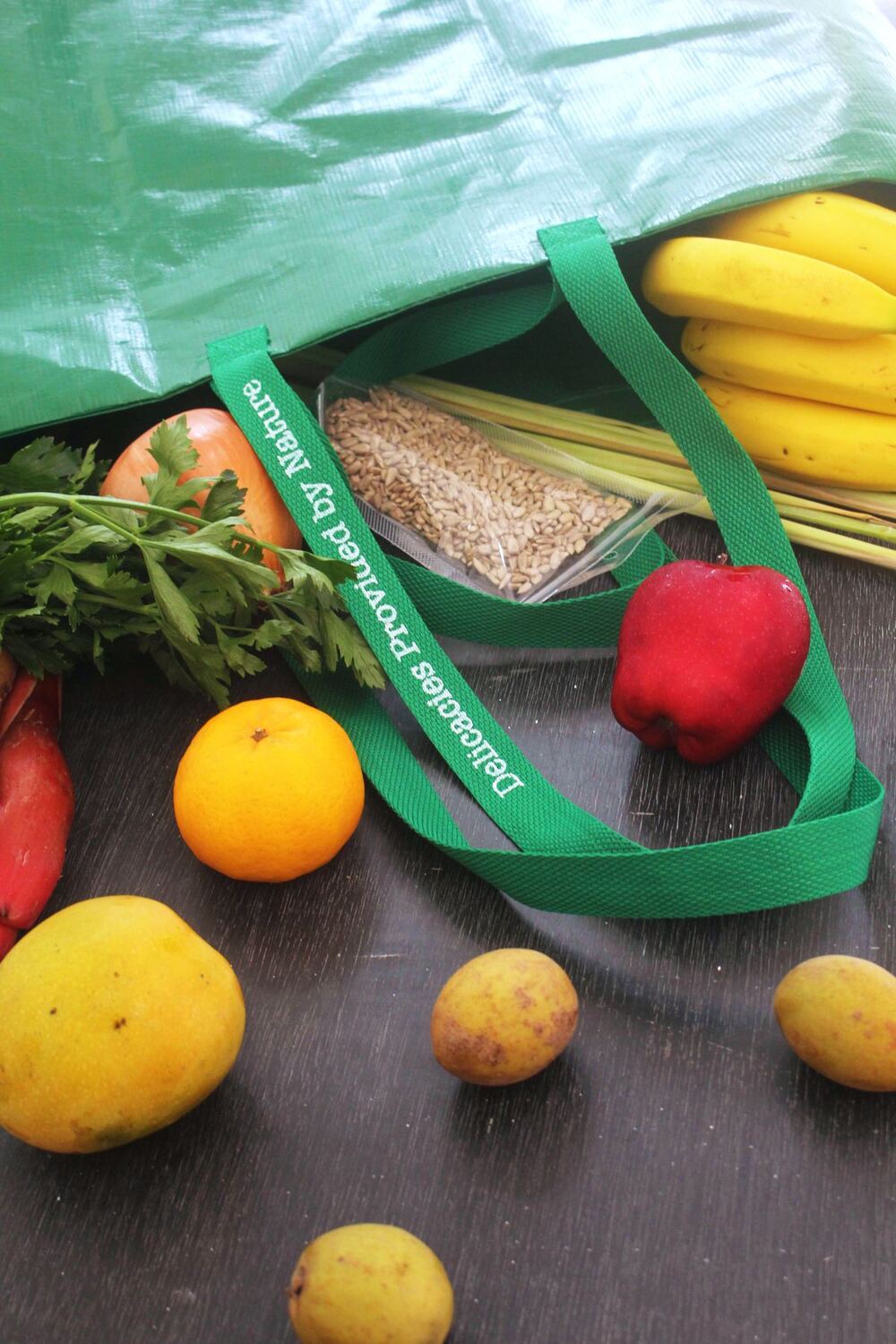
Keep a few durable bags where you will remember them, such as in the car, by the door or in a backpack. Reuse them every trip. Single-use plastic bags are rarely recycled in curbside programs, and many stores collect them separately.
Water bottles and cups
A steel, glass or sturdy plastic bottle that you carry daily replaces many disposable bottles. Wash it regularly and let it dry. For coffee, a reusable cup helps if you use it regularly. Many cafes accept your own cup.
Food storage
Glass or sturdy containers replace plastic wrap and bags. Use what you already have, such as jars. See our kitchen swaps guide.
Cloth vs paper towels and wipes
Washable cloths work for most spills. They use water and energy to wash, so wash full loads, and use cold or warm water. Disposable wipes often contain plastic fibers and should not be flushed. Use paper towels for the jobs that need them, such as raw meat cleanup.
Batteries
Rechargeable batteries replace many single-use ones in devices used often. Recycle old batteries at collection points. See battery recycling.
Razors, diapers and period products
These are personal choices that depend on health, convenience and access. Reusable options can reduce waste, but they require washing and suit some people better than others. Use what is practical and comfortable for you.
When disposable is the better choice
- Medical and hygiene needs. Use sterile or single-use items when needed.
- Food safety. Where reusables cannot be cleaned properly, disposables may be safer.
- One-time events. Renting dishes or borrowing from friends may be better than buying.
- If you will not reuse it. A reusable item stored in a cupboard saves nothing.
Watch for "compostable" claims
Compostable cups and cutlery may only break down in industrial composting facilities. The EPA says compostable plastics are not meant for recycling and should not go in recycling bins. Home composters are advised to avoid them in a backyard pile. Check what your local program accepts. See our greenwashing guide.
Reduce first
The usual order of preference is reduce, reuse, recycle. The EPA places source reduction and reuse ahead of recycling. Before swapping products, ask whether you need the item at all.
Quick checklist
- Use what you own before buying new.
- Pick durable items you will use often.
- Clean reusables regularly.
- Keep disposable items for when they are truly needed.
- Do not rely on recycling for plastic.
Sources
- US EPA, "Frequent Questions on Recycling": https://www.epa.gov/recycle/frequent-questions-recycling
- US EPA, "How Do I Recycle Common Recyclables?": https://www.epa.gov/recycle/how-do-i-recycle-common-recyclables