Refrigerator Efficiency: Settings, Placement and When to Replace
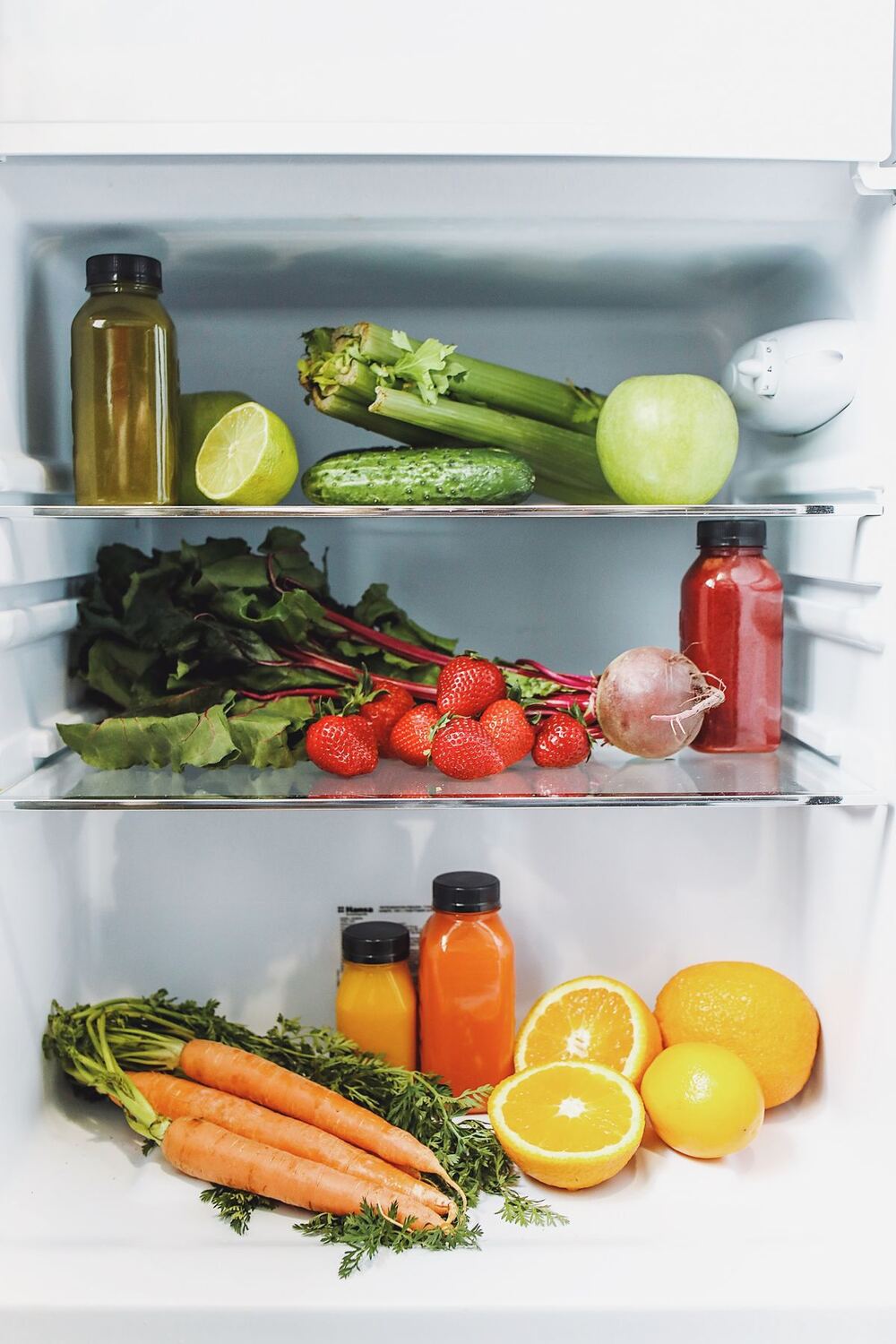
The refrigerator runs all day, every day. The US Department of Energy says it is typically one of the largest energy users of all major home appliances. Small changes to settings and placement can lower the cost, and replacing a very old unit can make a big difference.
Set the right temperature
The Department of Energy recommends keeping the refrigerator between 35 and 38 degrees Fahrenheit and the freezer at 0 degrees Fahrenheit. Colder settings use more energy and can freeze lettuce and milk. Warmer settings risk food safety. The US Environmental Protection Agency says the refrigerator should hold 40 degrees Fahrenheit or below.
Use a cheap appliance thermometer to check. Dial numbers do not always match real temperatures.
Put it in a good spot
According to the Department of Energy:
- Place the refrigerator away from heat sources such as ovens, dishwashers and direct sunlight.
- Leave a few inches between the wall and the back of the unit for air circulation.
- Keep it level so the door closes properly.
A fridge next to a stove or in a hot garage works harder.
Check the door seals
Tight seals keep cold air in. The Department of Energy suggests testing by closing the door on a sheet of paper. If the paper slides out easily, the seal is weak and may need cleaning or replacing. Clean gaskets with warm water and mild soap. Replacement seals are available for many models.
Clean the coils on older models
The Department of Energy says to keep condenser coils clean on older models. Dusty coils make the compressor work harder. Read the owner's manual to see where the coils are and how to clean them safely. Unplug the fridge first. A coil brush and a vacuum cleaner are enough in most cases. Many newer models have coils that need no regular cleaning, so check the manual.
Keep the door closed and the contents tidy
- Minimize the time the door is open. Decide what you need before opening.
- Let hot food cool a little before it goes in, but do not leave perishable food out more than two hours.
- Do not overpack. Air must circulate. But a fridge that is almost empty also works less efficiently, since cold food helps hold the temperature. Fill gaps with water bottles.
- Defrost manual-defrost freezers. The Department of Energy says to do this periodically, and not to let frost build up beyond one-quarter of an inch.
Skip the second fridge
The Department of Energy says to just say no to a second refrigerator in the basement or garage. Such units are often older and can cost more than $100 a year to run. If you only use the extra fridge for drinks or holiday overflow, consider unplugging it for most of the year, or recycle it.
When you remove an old fridge, do not just leave it at the curb. The ENERGY STAR program has a refrigerator and freezer recycling program, and many utilities offer pickup and rebates. Refrigerators contain refrigerants and oil that need proper handling.
When to replace the fridge
The Department of Energy says to replace a refrigerator or freezer that is more than 15 years old as soon as possible. It states that an old refrigerator can cost up to 33% more to run than the newest ENERGY STAR qualified units. It also says ENERGY STAR qualified refrigerators use 9% less energy than standard models.
When buying:
- Size. The Department of Energy says the larger the unit, the more energy it uses. The most efficient full-size refrigerators with freezers are typically 16 to 20 cubic feet. Buy only the capacity you need.
- Layout. Top-mounted freezer models use less energy than some bottom-mounted or side-by-side models. If you buy a stand-alone freezer, a chest freezer is often more efficient than an upright one.
- Label. Look for ENERGY STAR and read the yellow EnergyGuide label for estimated yearly energy use and cost.
- Rebates. Check for local utility offers.
A quick check
- Measure the temperature.
- Test the door seal with paper.
- Clean the coils if the manual says to.
- Check the fridge is not next to a heat source.
- Decide whether you really need the second fridge.
- If the fridge is more than 15 years old, look up its model and estimate its running cost.
See also our guide to meal planning and storage for how to organize food so you open the door less.
Sources
- US Department of Energy, "Consumer Guide to Kitchen Appliances": https://www.energy.gov/sites/default/files/2021-08/ES-KitchenAppliances_080221.pdf
- US EPA, "Preventing Wasted Food At Home": https://www.epa.gov/recycle/reducing-wasted-food-home