How to Waste Less Food at Home: Habits That Work
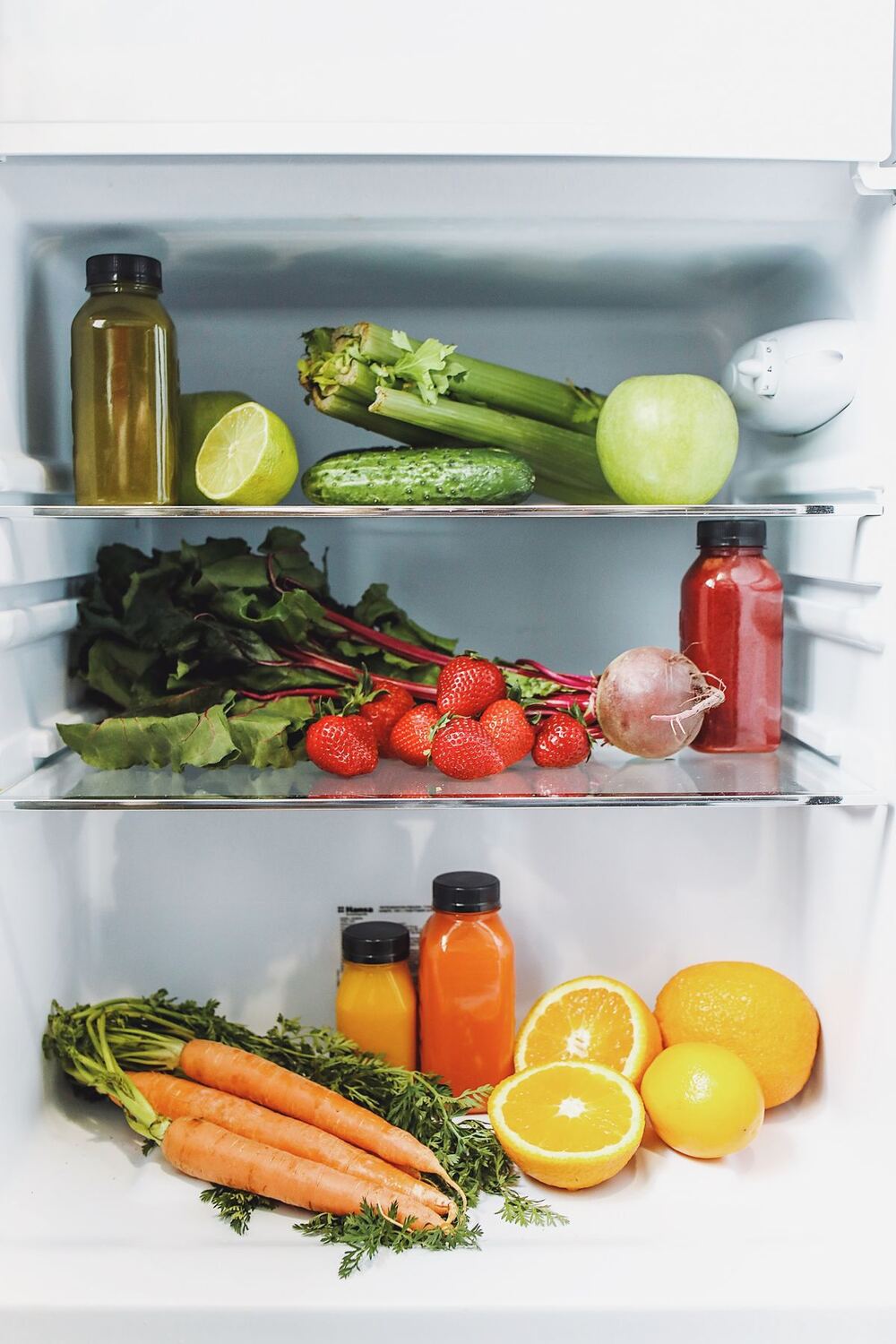
The US Environmental Protection Agency (EPA) says one-third of all food in the United States goes uneaten. For households, the EPA says the average family of four spends almost $3,000 per year on food that does not get eaten.
Wasted food also wastes everything used to grow, process, transport, store and cook it, including land, water and energy. The EPA estimates that in 2019, about 96% of households' wasted food ended up in landfills, combustion facilities or down the drain to the sewer system. Only the remainder was composted.
Most waste at home comes from a few habits. Change those and you save money without eating differently.
Why food gets wasted at home
Common reasons are buying more than you need, forgetting what is in the fridge, cooking too much and misunderstanding date labels. The EPA's advice covers each stage: planning and shopping, storing, and cooking and preparing. Our guide on meal planning and food storage goes deeper on the first two. This article covers the whole picture.
Understand date labels
"Sell by," "use by," "best by" and expiration dates are not the same, and the EPA tells people to learn the difference. In general, many of these dates are about quality, not safety. A "best by" date often shows when the maker expects peak flavor or texture. Infant formula is an exception, and "use by" on perishable foods such as deli meat should be taken seriously.
Use your senses and common sense. Smell, appearance and storage history matter. When in doubt about meat, fish, eggs or dairy, follow safe storage rules and throw it out if it seems unsafe. Food safety comes before waste reduction. Do not leave perishable food at room temperature for more than two hours, as the EPA advises, and keep your refrigerator at 40 degrees Fahrenheit or below.
Use what you have first
The EPA suggests looking in your refrigerator, freezer and pantry before you shop and making a weekly list of what needs to be used up. Plan upcoming meals around those items. A simple trick is a "eat me first" shelf or box in the fridge for things close to the end of their life.
When you cook, the EPA says produce that is past its prime, odds and ends of ingredients and leftovers may still be fine for cooking. Use them in:
- Soups and stews.
- Stir fries and fried rice.
- Frittatas, omelets and casseroles.
- Sauces and pasta toppings.
- Smoothies and baked goods such as muffins and pancakes.
Use the parts you usually throw away
If safe and healthy, use edible parts you normally discard. The EPA gives examples:
- Stale bread becomes French toast or croutons.
- Beet greens can be sauteed as a side dish.
- Vegetable scraps can be used for soup stock.
Keep a bag in the freezer for onion ends, carrot peels, celery tops and herb stems. When it is full, simmer them with water for stock. Do not include anything moldy, and avoid strong vegetables like cabbage family scraps if you do not want a strong flavor.
Cook and serve the right amount
The EPA recommends aiming to cook and serve portions that suit the number of people eating. If you cook extra on purpose, plan a use for it. Refrigerate or freeze leftovers in clear, labeled containers with dates so they do not get lost. Eat refrigerated leftovers within a few days, and reheat to a safe temperature.
Preserve extra food
When you have too much, the EPA suggests freezing, pickling, dehydrating, canning or making jam or jelly from surplus fruits and vegetables, especially abundant seasonal produce. Freeze bread, sliced fruit, meat or leftovers that you know will not be eaten in time, and label them. Home canning needs tested recipes and proper equipment to be safe, so follow guidance from your national food safety authority.
Share what you will not eat
The EPA says nutritious, safe, untouched food can be donated to food banks to help people in need. Check what your local food bank accepts, since rules differ.
Compost what is left
Some scraps cannot be eaten: peels, eggshells, coffee grounds. The EPA recommends composting food scraps rather than throwing them away. If you do not have a garden, check whether your city has curbside collection or drop-off points. Read our composting guide for what to add and what to avoid.
Track your own waste for one week
Keep a note or a bin where you can see what you throw out. After a week, look at the pattern. Is it leafy greens? Bread? Leftover rice? That tells you what to change: buy smaller amounts, freeze earlier or plan a use. The EPA's "Food: Too Good to Waste" toolkit is designed to help households find out how much food is really going to waste at home and what to do about it.
Quick checklist
- Check the fridge and pantry before shopping.
- Plan meals around what you already have.
- Learn what date labels mean.
- Store produce correctly. See our storage guide.
- Freeze food before it spoils.
- Compost the rest.
Reducing food waste is one of the most direct actions a household can take. It saves money, uses fewer resources and requires no special equipment.
Sources
- US EPA, "Preventing Wasted Food At Home": https://www.epa.gov/recycle/reducing-wasted-food-home