Where Home Energy Goes and Where to Save First
Before you buy a gadget or change a habit, it helps to know where energy goes. The US Department of Energy says heating and cooling together typically make up about 32% of a home's energy use, and water heating about 18%. The rest goes to lighting, appliances, electronics and other uses.
That tells you where to look first. A home's share will differ by climate and size, but the order is a good guide.
Step 1: Understand your own use
Look at your last 12 months of bills. Where are the peaks? Winter peaks point to heating. Summer peaks point to cooling. A high baseline all year means water heating, appliances, lights and standby loads. See our home energy audit guide for a step-by-step check.
Step 2: No-cost and low-cost jobs
These cost little and pay back fast:
- Set back the thermostat. The Department of Energy says up to 10% a year on heating and cooling by adjusting 7 to 10 degrees for 8 hours a day. See thermostat settings.
- Lower the water heater to 120 degrees Fahrenheit. See our water heating guide.
- Wash laundry in cold water. ENERGY STAR says water heating is about 90% of a washer's energy use. See laundry.
- Switch heavily used bulbs to LEDs. ENERGY STAR says LEDs produce light up to 90% more efficiently than incandescent bulbs. See the LED guide.
- Unplug or switch off idle electronics. Standby is typically 5% to 10% of residential electricity. See standby power.
- Clean or replace filters on heating and cooling equipment.
Step 3: Seal and insulate
The Department of Energy says sealing air leaks can save 10% to 20% on heating and cooling bills, and adding insulation plus air sealing can save up to 15% on heating and cooling or up to 11% on total energy costs. These jobs cost more but last for decades.
Step 4: Upgrade equipment when it is time
When something fails or is near the end of its life, choose an efficient model:
- Heating and cooling. New equipment alone can reduce energy use by 20% or more, and combined with insulation, sealing and thermostat settings can cut heating and cooling bills by about 30%, according to the Department of Energy.
- Heat pumps can provide up to three times more heat than the electricity they use.
- Water heaters. A heat pump water heater can use 70% less electricity than a standard electric model, according to ENERGY STAR.
- Refrigerators. The Department of Energy says an old refrigerator can cost up to 33% more to run than a new ENERGY STAR unit. See our refrigerator guide.
- Washers and dishwashers. ENERGY STAR washers use about 20% less energy and 30% less water. See dishwasher vs. hand washing.
Step 5: Consider renewable energy
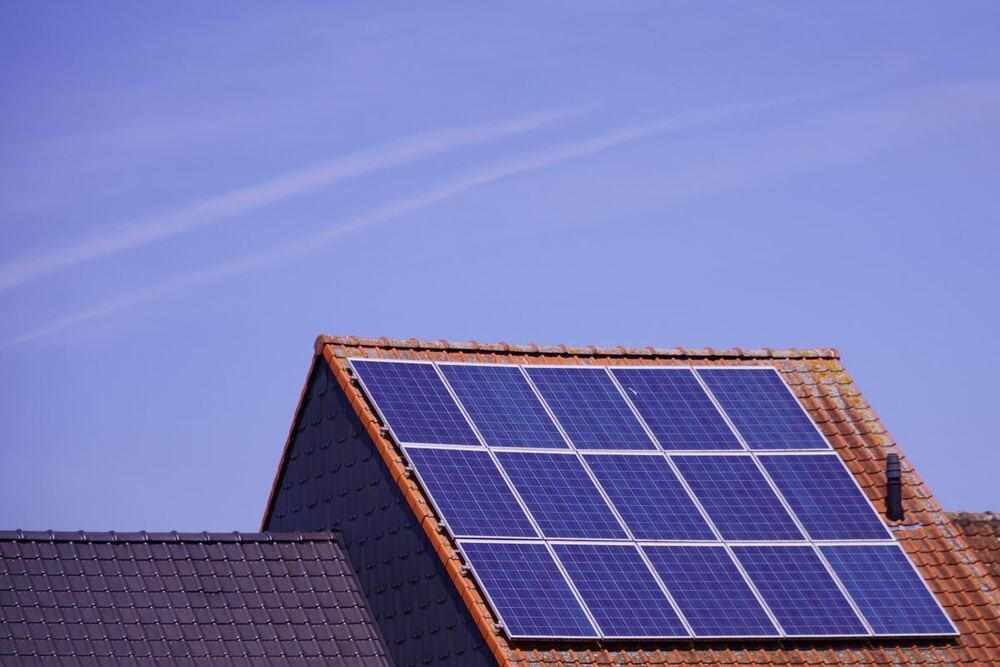
Solar panels can cut or cover your electricity bill but require a roof and upfront cost. Do the efficiency jobs first. They reduce the size of a system you would need. Check local incentives, net metering rules and installer reviews, and get several quotes.
Order of priority
| Priority | Job | Typical effort |
|---|---|---|
| 1 | Safety checks and a home energy audit | A weekend |
| 2 | Thermostat settings, water heater setting, LEDs | An hour or two |
| 3 | Air sealing | A weekend or professional |
| 4 | Insulation | Weekend to a few days |
| 5 | Equipment upgrades at end of life | Planned |
| 6 | Solar or other renewables | Project |
Common mistakes
- Buying a smart gadget before sealing drafts.
- Replacing a working appliance early for small savings.
- Believing a single trick will halve the bill.
- Ignoring safety, such as ventilation and carbon monoxide alarms.
What not to expect
Savings figures are typical values from official sources. Your results depend on climate, home, equipment and energy prices. Compare similar months, since weather changes alone can move a bill by a lot.
Sources
- US Department of Energy, "Energy Saver: Tips on Saving Money and Energy in Your Home" (2022): https://www.energy.gov/sites/default/files/2022-08/energy-saver-guide-2022.pdf
- Lawrence Berkeley National Laboratory, "Standby Power FAQ": https://standby.lbl.gov/frequently-asked-questions
- ENERGY STAR, "Clothes Washers": https://www.energystar.gov/products/clothes_washers
- ENERGY STAR, "Learn About LED Lighting": https://www.energystar.gov/products/learn-about-led-lighting
- US Department of Energy, "Consumer Guide to Kitchen Appliances": https://www.energy.gov/sites/default/files/2021-08/ES-KitchenAppliances_080221.pdf