LED Bulbs Explained: Lumens, Color, Lifespan and What to Buy
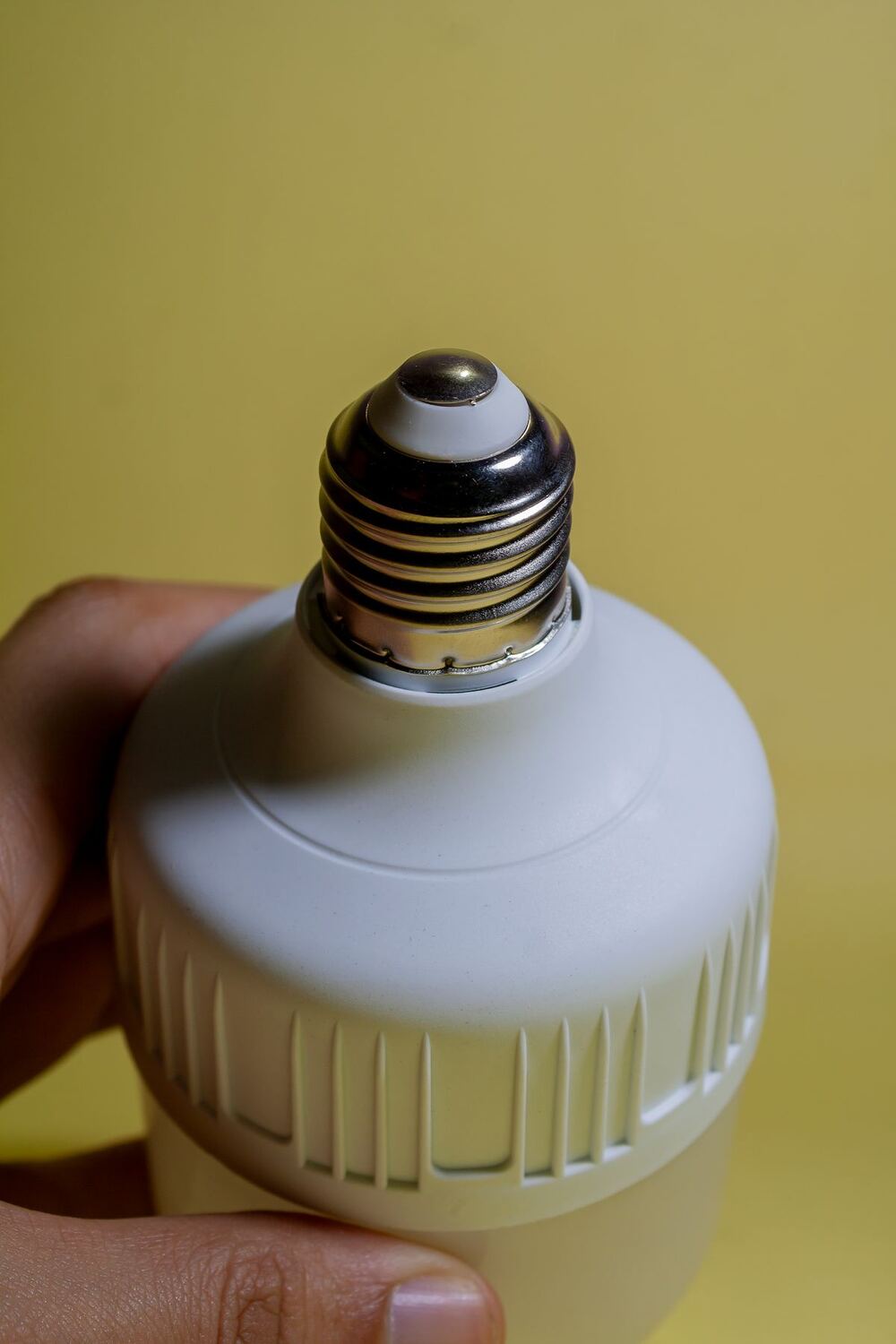
Lighting is one of the easiest places to save energy because swapping a bulb takes a minute. The ENERGY STAR program says LED lighting products produce light up to 90% more efficiently than incandescent bulbs.
Buying LEDs is simple once you know three numbers on the package: lumens, color temperature and the lifespan claim.
Lumens, not watts
Watts measure how much power a bulb uses. Lumens measure how much light it gives. ENERGY STAR advises shopping by lumens: find the bulbs with the brightness you need, then choose the one with the lowest wattage.
This table from ENERGY STAR shows the minimum lumens for common incandescent equivalents:
| Old incandescent (watts) | Minimum brightness (lumens) |
|---|---|
| 40 | 450 |
| 60 | 800 |
| 75 | 1,100 |
| 100 | 1,600 |
| 150 | 2,600 |
Packaging often says "60 watt replacement." That means it is as bright as a 60 watt incandescent bulb. An LED rated for 800 lumens often uses around 8 to 10 watts, but check the label because it varies by model.
Pick the right color
Color temperature is measured in kelvins (K) and appears on the Lighting Facts label or package.
- 2700K to 3000K, warm white. Similar to old incandescent bulbs. Good for living rooms and bedrooms.
- 3500K to 4100K, neutral or cool white. Suits kitchens, bathrooms and work areas.
- 5000K and above, daylight. Very bright and bluish. Often used for garages and task lighting.
Also check the color rendering index (CRI) if colors matter, as in a kitchen or bathroom mirror. Higher numbers show colors more naturally.
What "lifespan" means for LEDs
Incandescent bulbs fail suddenly. LEDs usually do not. ENERGY STAR explains that LEDs typically do not burn out, they slowly dim, which it calls lumen depreciation. LED "lifetime" is defined as a prediction of when light output has dropped by 30%. A bulb rated for 15,000 hours is not guaranteed to work for that long. The number is a rating of expected performance under test conditions.
Heat matters. ENERGY STAR says the higher the temperature at which LEDs run, the faster the light degrades. Cheap bulbs in sealed fixtures with poor heat control can fade sooner. Look for bulbs that earned the ENERGY STAR label, since certified products are tested to manage heat so light output holds through the rated life.
Where to use LEDs
LEDs now come in standard bulb shapes, candle bulbs, floodlights, strip lights and built-in fixtures. Replace the bulbs you use most first: kitchen, living room, outdoor lights that stay on at night and hallways. Bulbs used a few minutes a month give little saving.
Things to check:
- Dimmers. Use bulbs labeled dimmable and a dimmer designed for LEDs. Older dimmers can cause flicker or buzzing.
- Enclosed fixtures. Use bulbs rated for enclosed fixtures, since heat is trapped.
- Outdoor use. Use bulbs rated for damp or wet locations when exposed to weather.
- Smart bulbs. They are convenient but have standby draw because they stay connected to your network. See standby power.
What to do with old bulbs
Incandescent bulbs and LEDs can usually go in household trash in many places, but check local rules. Compact fluorescent bulbs (CFLs) contain a small amount of mercury, so ask your local waste authority or a hardware store whether they accept them for recycling instead of putting them in the trash. See our recycling guide for more.
Does it save money?
Yes in most homes, though the exact amount depends on your electricity rate and how long the lights are on. To estimate: subtract the new bulb's watts from the old bulb's watts, multiply by hours used per year, divide by 1,000 to get kWh, and multiply by your price per kWh. For a 60 watt bulb replaced by a 9 watt LED used 3 hours a day, the saving is about 56 kWh a year. At 15 cents per kWh, that is roughly $8 a year per bulb. Multiply by the number of bulbs you switch.
LEDs also give off less heat, which helps in summer. Our home energy guide shows where lighting sits among other household jobs.
Sources
- ENERGY STAR, "Learn About LED Lighting": https://www.energystar.gov/products/learn-about-led-lighting
- ENERGY STAR, "Learn About Brightness": https://www.energystar.gov/products/learn-about-brightness