Laundry That Uses Less Energy and Water
The average American family washes about 300 loads of laundry a year, according to ENERGY STAR. That is a lot of water and a lot of heat, so small habit changes add up.
The good news is that most of the savings come from simple choices rather than new equipment.
Wash in cold water
Heat is the biggest laundry energy cost. ENERGY STAR says water heating consumes about 90% of the energy it takes to operate a clothes washer. Washing in cold water generally does a good job of cleaning unless you are dealing with oily stains. Switching the temperature setting from hot to warm can cut energy use in half.
Use a detergent labeled for cold water, pretreat stains and keep hot water for items that really need it, such as heavily soiled work clothes, bedding for someone who is ill or towels after a stomach bug. Follow the care label on each garment.
Run full loads
ENERGY STAR notes that washers use about the same amount of energy regardless of load size, so run full loads when possible. A full load does not mean packed tight. Clothes need room to move. A good rule is to fill the drum loosely, leaving enough space to put your hand flat at the top.
Dryers are different. Drum size is usually larger than a washer's so clothes can tumble and hot air can circulate. Overloading a dryer means longer drying times and wrinkled clothes.
Dry on a line or rack when you can
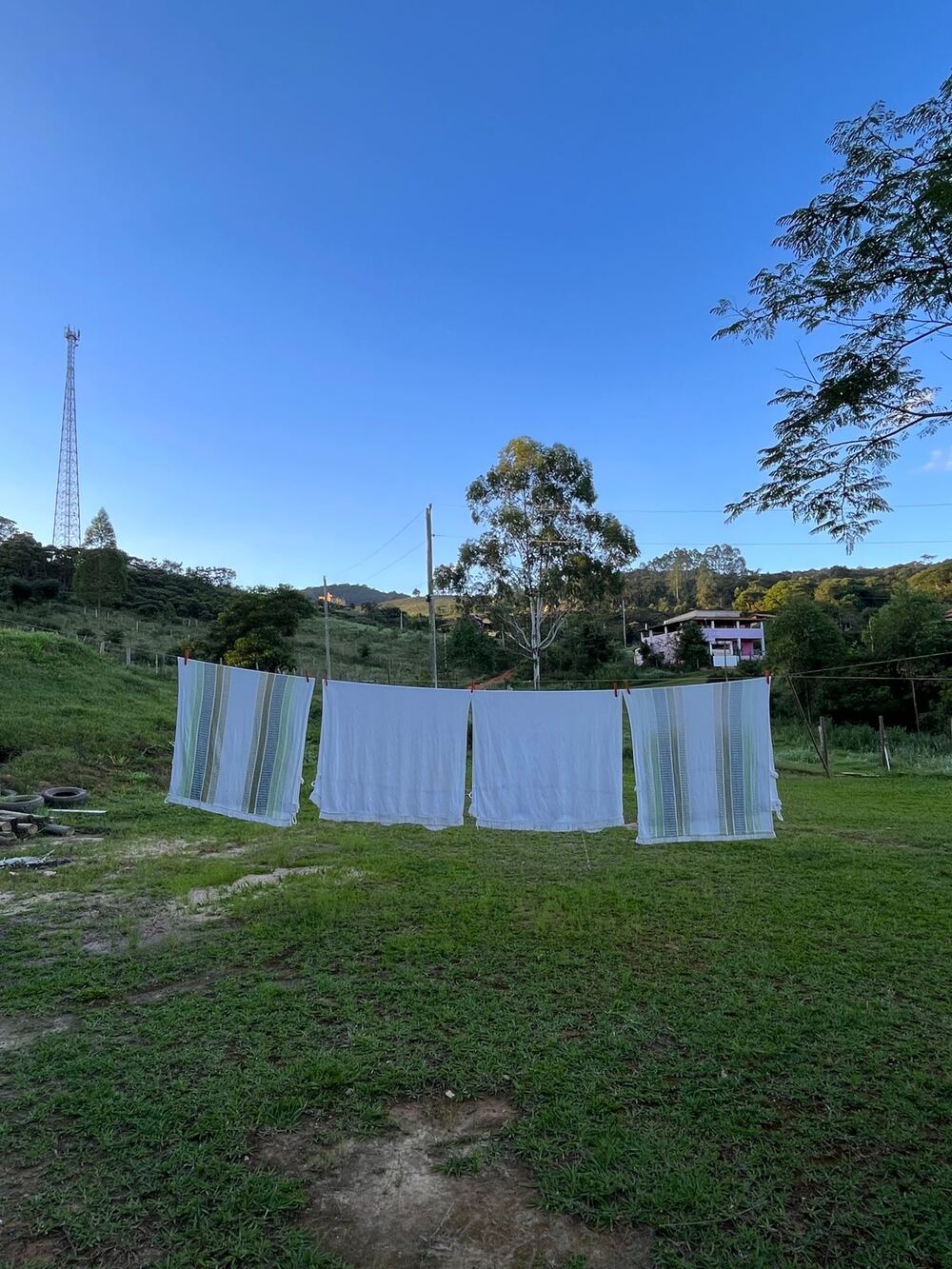
ENERGY STAR suggests using a drying rack or hanging clothes outside where possible, and says air-drying not only saves energy but also helps clothes last longer. A dryer is one of the larger electricity or gas users in the home. Air drying for even half your loads makes a visible difference to the bill.
If you use a dryer:
- Clean the lint filter before every load. A clogged filter slows drying and is a fire hazard.
- Check the exhaust vent regularly and keep it clear and as short and straight as possible.
- Use a moisture sensor setting if your dryer has one, so it stops when clothes are dry.
- Dry similar fabrics together, since heavy towels take longer than light shirts.
- Spin well in the washer. A higher spin speed removes more water before drying.
Indoors, drying racks can add moisture to the air. Use a fan or open a window, especially in cold weather, to avoid damp and mold.
When to replace the washer
You do not need to replace a working washer just to save energy, but when it is time, buy an efficient one. ENERGY STAR says certified clothes washers use about 20% less energy and about 30% less water than regular washers, and over the life of the product can save about $530 in energy costs. The US Department of Energy says full-size ENERGY STAR washers use 14 gallons of water per load, compared with 20 gallons for a standard machine.
When shopping:
- Check the yellow EnergyGuide label for energy and water use.
- Pick a size that suits your typical load. A too-large washer running small loads wastes water.
- Look at the Integrated Modified Energy Factor (IMEF). ENERGY STAR says a higher IMEF means a more energy-efficient washer.
- Compare front-loading and top-loading models. Both can earn the ENERGY STAR label.
- Check for local utility rebates.
Other habits that help
- Use the right amount of detergent. More does not clean better and can leave residue.
- Wash less often when clothes are not dirty. Jeans, sweaters and coats can usually be worn several times between washes.
- Choose shorter cycles for lightly soiled loads.
- Time-of-use rates: if your utility charges less at night, running laundry then can lower your bill. The Department of Energy suggests this as an option where it is offered.
- Catch microplastic fibers with a washing machine filter or a laundry bag if you wash lots of synthetic clothes. It does not save energy, but it keeps fibers out of wastewater.
Quick checklist
- Wash in cold or warm water.
- Run full but not stuffed loads.
- Hang clothes to dry when you can.
- Clean the dryer lint filter every time.
- When replacing a washer, check ENERGY STAR and the EnergyGuide label.
Sources
- ENERGY STAR, "Clothes Washers": https://www.energystar.gov/products/clothes_washers
- US Department of Energy, "Consumer Guide to Home Water Efficiency": https://www.energy.gov/sites/default/files/2021-08/ES-Home%20Water%20Efficiency_080421.pdf
- US Department of Energy, "Energy Saver: Tips on Saving Money and Energy in Your Home" (2022): https://www.energy.gov/sites/default/files/2022-08/energy-saver-guide-2022.pdf