Thermostat Settings That Save Energy Without Making Home Uncomfortable
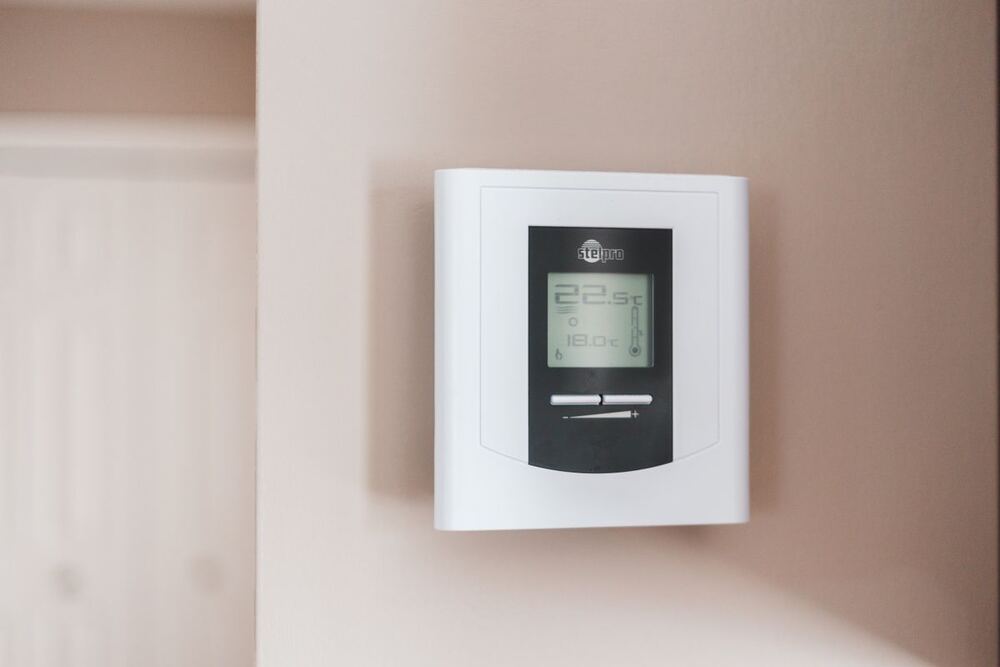
Heating and cooling are the biggest energy jobs in most homes. The US Department of Energy says air conditioning and space heating together typically make up about 32% of home energy use. That makes the thermostat the most important control in the house.
Good settings do not require living in the cold. They mostly mean letting the temperature drift when nobody needs it held steady.
The simple rule: set back when you are asleep or away
The Department of Energy says you can save as much as 10% a year on heating and cooling by turning your thermostat down 7 to 10 degrees Fahrenheit for 8 hours a day in the fall and winter. In spring and summer you do the reverse and turn it up.
The easiest way to do this is overnight or during a workday. A drop at night is easy to sleep through, since many people prefer cooler bedrooms anyway. A drop during work hours is something you never notice.
In summer, the same guide suggests setting the thermostat as high as is comfortable when you are home and awake, and raising it further when you are sleeping or away. It also asks you to think about the comfort and safety of pets, since animals can overheat in a closed house.
Use a fan to feel cooler at a higher setting
The same source says a ceiling fan lets you raise the thermostat about 4 degrees Fahrenheit with no loss of comfort. A fan cools people, not rooms, so turn it off when you leave. A fan also does nothing for a person who is not there.
If you do not have a ceiling fan, a floor or window fan can help in the room you are using. See our guide to staying cool without air conditioning for more.
Programmable and smart thermostats
A programmable thermostat lets you set a schedule so the setback happens without you thinking about it. A smart thermostat is a Wi-Fi enabled device that adjusts heating and cooling automatically for optimal performance, according to the Department of Energy. Common features include remote control from a phone, usage reports and learning your routine.
If you buy one, look for the ENERGY STAR label. The Department of Energy notes that smart thermostats that earn the label have been independently certified, based on actual field data, to deliver energy savings. A smart thermostat that is never set up properly saves nothing, so plan time to set the schedule and check it after a week.
The heat pump exception
This is the point many quick tips skip. The Department of Energy guide says that if you have a heat pump, you should not use large setbacks unless you have a smart or programmable thermostat designed for use with heat pumps. A standard setback on a heat pump can trigger backup electric resistance heat to catch up, which uses more energy, not less.
Heat pumps are efficient. The Department of Energy says they can provide up to three times more heat than the electricity they use, and can reduce electricity use for heating by about 50% compared with electric furnaces or baseboard heaters. To keep that benefit, use a thermostat designed for heat pumps and follow the manufacturer's advice about setbacks.
Other settings and habits that help
- Replace or clean air filters. The Department of Energy suggests cleaning or replacing air conditioner filters once a month or as recommended. A clogged filter makes the system work harder.
- Do not oversize equipment. An oversized air conditioner performs less efficiently and less effectively than a right-sized one.
- Check ducts. The Department of Energy says ducts that leak air into an attic or crawl space can add hundreds of dollars a year to heating and cooling bills. Sealing and insulating ducts in unconditioned spaces is usually cost effective.
- Keep vents clear. Blocked registers and closed vents can upset airflow.
- Seal drafts first. A thermostat can only do so much in a leaky house. Read our guide on air sealing.
What not to do
- Do not set the thermostat far past your target to speed up heating or cooling. It does not warm or cool faster. It just runs longer.
- Do not turn heating fully off in very cold weather. Pipes can freeze, and very cold rooms can damage a home and be unsafe for people and pets.
- Do not keep one fixed setting all day if the house is empty for eight hours.
A starting plan
- Pick a comfortable setting for when you are home and awake.
- Set a 7 to 10 degree setback for sleeping hours or work hours, unless you have a heat pump without a suitable thermostat.
- In summer, raise the setting a few degrees and add a fan.
- Check the schedule after one week and adjust.
- Look at your bill after a month or two. Weather changes make single-month comparisons unreliable, so compare similar weather.
Sources
- US Department of Energy, "Energy Saver: Tips on Saving Money and Energy in Your Home" (2022): https://www.energy.gov/sites/default/files/2022-08/energy-saver-guide-2022.pdf