Water Heating: Settings, Insulation and When to Replace
Water heating is the second largest energy expense in the home. The US Department of Energy says it typically accounts for about 18% of home energy use, behind heating and cooling. That makes it worth a look, and several fixes cost little or nothing.
The Department of Energy lists four main ways to cut water heating bills: use less hot water, turn down the water heater thermostat, insulate the water heater and pipes, or buy a more efficient model.
1. Use less hot water
The cheapest hot water is the water you never heat.
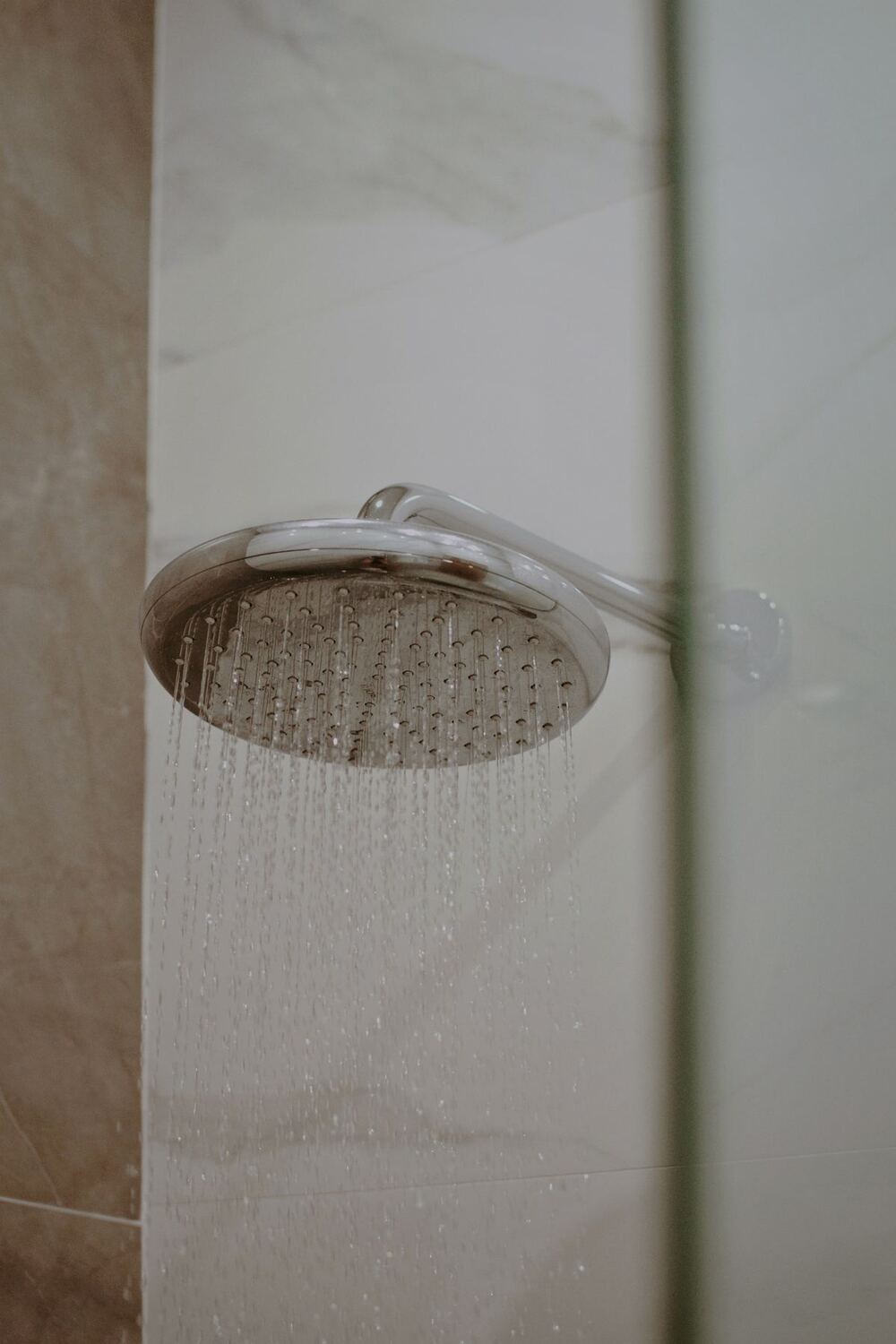
- Shorter showers and efficient showerheads. The EPA says showers account for nearly 17% of residential indoor water use. Standard showerheads use up to 2.5 gallons per minute. WaterSense labeled showerheads must use no more than 2.0 gallons per minute and meet spray performance criteria. See our showerhead guide.
- Fix leaks. A dripping hot tap wastes both water and the energy used to heat it. See how to find and fix household leaks.
- Wash laundry in cold water. ENERGY STAR says water heating consumes about 90% of the energy a clothes washer uses, and that switching from hot to warm can cut that energy use in half. See our laundry guide.
- Run full loads in the dishwasher. See dishwasher vs. handwashing.
2. Check the temperature setting
The Department of Energy recommends setting the water heater to 120 degrees Fahrenheit, which it calls a temperature considered safe for most of the population. A lower setting reduces standby heat loss and the risk of scalds, which matter most for young children and older adults.
Check the setting on the dial or the control panel. Many older heaters are set higher by default. If anyone in your home has a weakened immune system, ask a health professional whether 120 degrees suits them, since very low settings can allow bacteria to grow in tanks. If you live in rented housing, ask the landlord or building manager before changing a shared water heater.
3. Insulate the tank and pipes
The Department of Energy gives these figures for insulation:
- Insulating a hot water tank that is warm to the touch can save 7% to 16% a year in water heating costs. Follow the manufacturer's recommendations. Do not cover the top of a gas or oil heater, the burner area, the controls or the pressure relief valve.
- Insulating hot water pipes reduces heat loss and lets you lower the temperature setting, saving an additional 3% to 4% a year.
- For an electric water heater, insulating under the tank might save another 4% to 9% of water heating energy.
Pipe insulation is cheap, sold in foam tubes at hardware stores and easy to cut to length. Start with pipes within the first few feet of the heater and any pipes in unheated spaces. Newer tanks often have thick built-in insulation and may not need an extra blanket, so check the label.
4. Choose a more efficient model when it is time
Conventional storage water heaters remain the most common type. The Department of Energy says heat pump water heaters can be two to three times more energy efficient than conventional electric water heaters. According to ENERGY STAR, as quoted by the Department of Energy, a certified heat pump water heater uses 70% less electricity to make the same amount of hot water as a standard electric model.
The Department of Energy says that if you live in a climate where temperatures are between 40 and 90 degrees Fahrenheit all year, a heat pump water heater could save more than $300 a year in water heating costs. Heat pump water heaters need some space, a way to deal with condensation and air around the unit, and they can cool the room they sit in. Ask an installer about fit and noise.
Other options include tankless water heaters, solar water heaters and drain-water heat recovery. The Department of Energy says 80% to 90% of the energy used to heat water can be lost as hot water flows down the drain, and a drain-water heat recovery system captures some of that heat to preheat incoming cold water. These systems suit homes with high shower use and a suitable drain layout.
Buy based on your household size, fuel type and installation conditions. A larger family needs more capacity than a single person. Compare the yellow EnergyGuide label for estimated yearly operating cost.
A quick plan
- Check the setting and lower it to 120 degrees Fahrenheit if it is higher and your household allows it.
- Touch the tank. If it is warm, add insulation according to the manufacturer's instructions.
- Insulate the first stretch of hot water pipes.
- Fix leaks and fit a WaterSense showerhead.
- Wash clothes in cold or warm water.
- When the heater fails or is near the end of its life, get quotes for an efficient model, including a heat pump water heater if your climate and space suit it.
Safety notes
Gas and oil heaters need proper venting. Never block vents or store flammable items near them. Water above about 120 degrees Fahrenheit can scald, especially children. Turn off power or fuel and drain the tank only following the manufacturer's instructions. Have a qualified plumber or electrician handle replacements.
Sources
- US Department of Energy, "Energy Saver: Tips on Saving Money and Energy in Your Home" (2022): https://www.energy.gov/sites/default/files/2022-08/energy-saver-guide-2022.pdf
- US Department of Energy, "Consumer Guide to Home Water Efficiency": https://www.energy.gov/sites/default/files/2021-08/ES-Home%20Water%20Efficiency_080421.pdf
- US EPA, "Showerheads" (WaterSense): https://www.epa.gov/watersense/showerheads
- ENERGY STAR, "Clothes Washers": https://www.energystar.gov/products/clothes_washers