How to Find and Fix Household Water Leaks
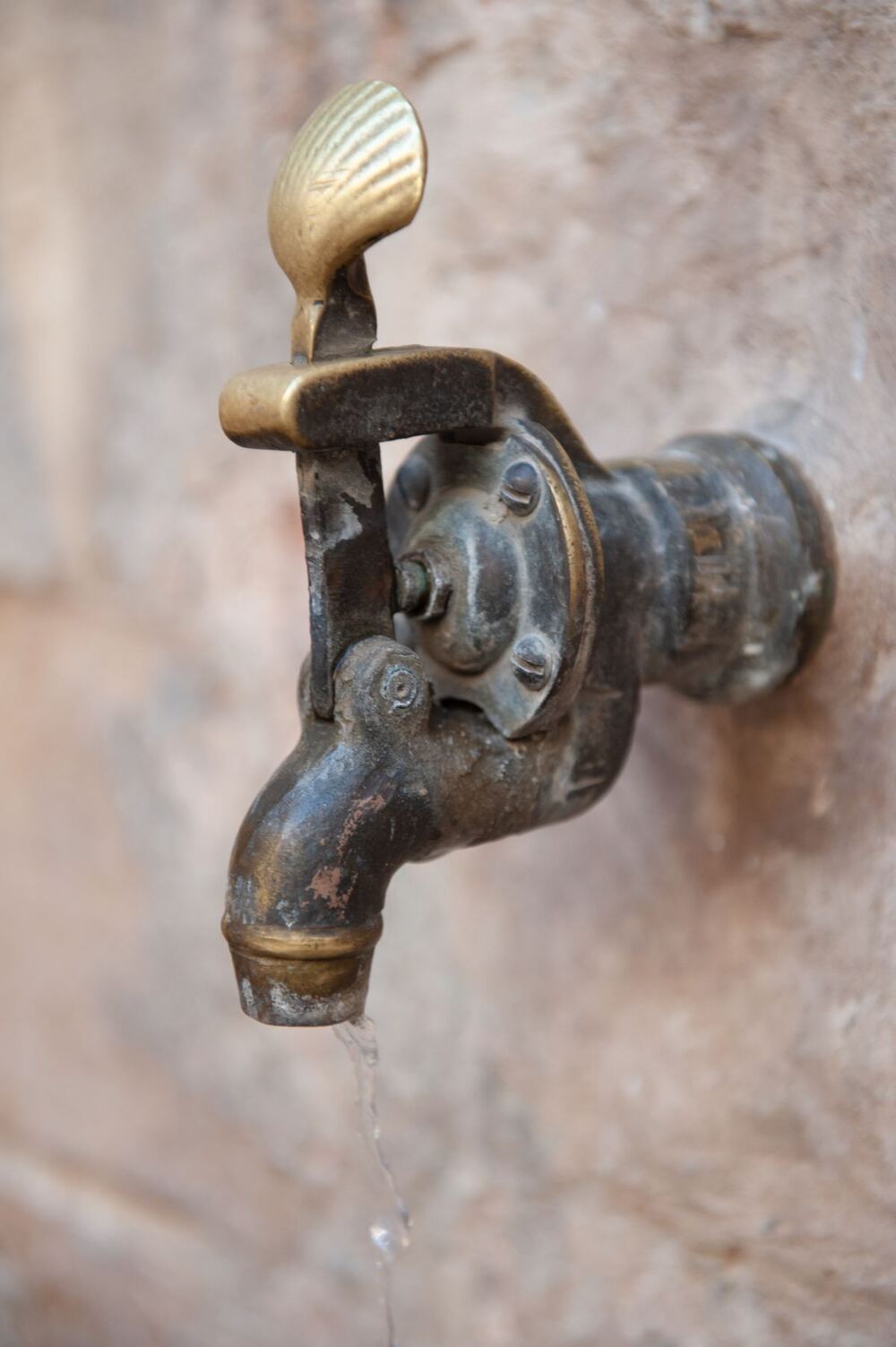
Small leaks add up. The US Environmental Protection Agency (EPA) says household leaks can waste nearly 1 trillion gallons of water a year across the United States. It adds that the average household's leaks can account for more than 9,300 gallons wasted every year, and that about 9% of homes have leaks that waste 50 gallons or more per day.
The EPA also says fixing easily corrected leaks can save homeowners about 10% on their water bills. Most common leaks are cheap and quick to fix.
Step 1: Find out if you have a leak
Use these checks from the EPA's WaterSense program:
- Look at your winter usage. Check your water use in a colder month such as January or February, when outdoor watering is low. If a family of four uses more than 12,000 gallons a month, there could be serious leaks.
- Read your meter. Check the water meter before and after a two-hour period when no water is being used. If the meter changes at all, you probably have a leak. Make sure the dishwasher, washing machine, ice maker and irrigation are not running.
- Do a toilet dye test. Place a few drops of food coloring in the toilet tank. If any color shows up in the bowl after 10 minutes, the toilet leaks. Flush right after the test to avoid staining the tank.
- Look for surface leaks. Examine faucet gaskets and pipe fittings for water on the outside of the pipe. Check under sinks and behind appliances.
If you find water stains on ceilings or walls, mold smells or damp floors, do not wait. Hidden leaks cause damage. Turn off the water to that area if you can and call a plumber.
Step 2: Fix the usual suspects
Toilets
The EPA says worn toilet flappers are one of the most common household leaks. The flapper is a rubber valve that holds water in the tank and releases it into the bowl on a flush. Rubber wears out, and the EPA recommends checking it periodically and replacing it at least every five years. An old or worn flapper can cause the toilet to run on its own or silently leak thousands of gallons a year.
To replace a flapper, shut off the supply valve, flush to empty the tank, unhook the old flapper and fit a new one. Take the old flapper or a photo to the hardware store so you buy one of the right width and type. The part is inexpensive.
Faucets
Worn washers and gaskets frequently cause leaky faucets. The EPA says a faucet that drips once per second can waste more than 3,000 gallons a year, which is more than 180 showers' worth of water. Turn off the water line before you start. Replace the washer, cartridge or O-ring, depending on the faucet type. Many hardware stores sell repair kits for common brands. Replacing a faucet aerator is another easy job.
The US Department of Energy adds that fixing leaky faucets and plumbing joints can save up to 20 gallons a day for each leak. Hot water leaks also waste the energy used to heat the water. See our water heater guide.
Showerheads
A showerhead leaking at 10 drips per minute wastes more than 500 gallons a year, according to the EPA. Often the cause is a loose connection between the showerhead and the pipe. Wrap pipe tape (also called Teflon tape) around the threads on the shower arm, then screw the showerhead back on firmly. Check and replace the washer or O-ring inside the showerhead if needed. If the shower drips when it is switched off, the problem may be in the valve, which is a job for a plumber. See our showerhead guide.
Outdoor leaks
Check hoses, spigots and connections. If you have an in-ground irrigation system, inspect it each spring before use, because frost can damage it. The EPA says a leak 1/32 of an inch wide, about the thickness of a dime, can waste about 6,300 gallons of water a month. For irrigation systems, the EPA suggests hiring a professional certified through a WaterSense labeled program.
Leak detectors and smart water monitors
The EPA's WaterSense program has a guide to leak detection and flow monitoring devices that can alert you to unusual water use. These range from simple battery-powered alarms you place near water heaters and washing machines to whole-house flow monitors installed on the main line. They help most when you are away from home or when a leak is hidden. Read reviews, check how alerts work and whether a subscription is needed.
When to call a plumber
- The meter keeps moving after you have fixed visible leaks.
- You see stains, bubbling paint, warped floors or mold.
- Water pressure suddenly drops.
- The leak is inside a wall, under a slab or in a pipe you cannot reach.
- The shower valve drips or the main shutoff valve does not work.
Know where your main water shutoff is before an emergency. Label it.
A 30-minute leak check
- Read the meter, wait two hours with water off, read it again.
- Do the toilet dye test on every toilet.
- Check under sinks and around the washing machine and water heater.
- Check outdoor taps and hoses.
- Fix what you can and write down what you cannot.
- Repeat the meter test after repairs.
Our guide to saving water at home covers habits that help once leaks are fixed.
Sources
- US EPA WaterSense, "Fix a Leak Week": https://www.epa.gov/watersense/fix-leak-week
- US Department of Energy, "Consumer Guide to Home Water Efficiency": https://www.energy.gov/sites/default/files/2021-08/ES-Home%20Water%20Efficiency_080421.pdf