Water-Saving Showerheads: What WaterSense Means and What You Save
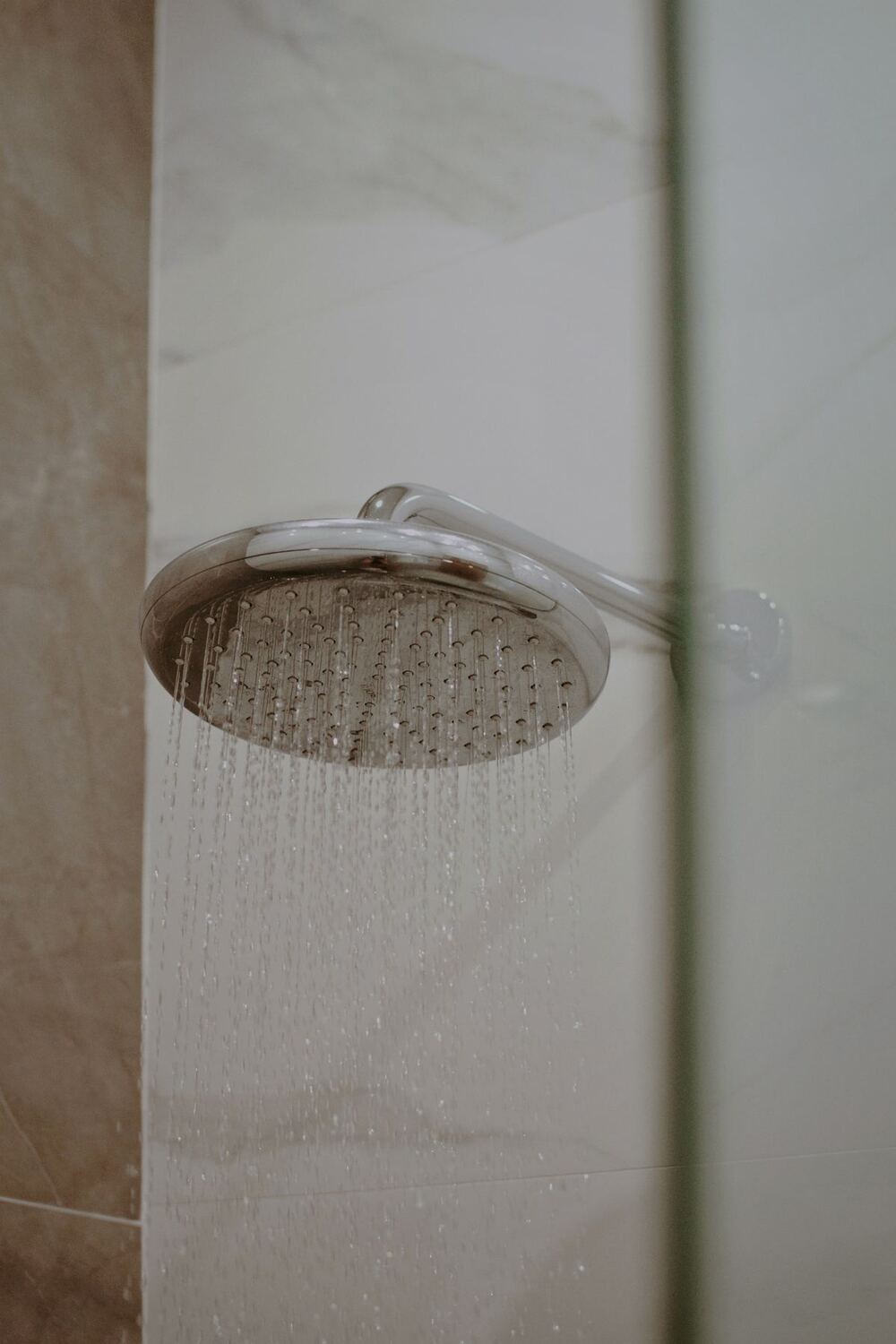
Showering is one of the leading ways we use water at home. The US Environmental Protection Agency (EPA) says it accounts for nearly 17% of residential indoor water use. For the average family, that adds up to nearly 40 gallons per day, or about 1.2 trillion gallons nationwide each year.
Hot water also costs energy. A more efficient showerhead saves both.
What the WaterSense label means
The EPA says standard showerheads use 2.5 gallons per minute (gpm). Showerheads that earn the WaterSense label must use no more than 2.0 gpm. They are also independently certified to meet performance requirements, so a lower flow should not mean a worse shower. The EPA tests:
- Spray force, so the spray feels strong enough.
- Spray coverage, so the stream is not too narrow or too wide.
- Pressure compensation, so the showerhead gives a minimum flow across a range of household water pressures.
The EPA says early "low-flow" models had a poor reputation because there were no accepted ways to measure performance. The label was designed to fix that.
What you can save
The EPA says the average family could save 2,700 gallons per year by installing WaterSense labeled showerheads. Because this reduces demand on the water heater, it also saves energy. The EPA estimates the average family could save more than 330 kilowatt-hours of electricity a year, enough to power a house for about 11 days.
The US Department of Energy adds that showerheads made before 1995 use 50% more water than newer models. If your showerhead is very old, the gain can be bigger.
If every home in the United States installed WaterSense showerheads, the EPA says the country could save more than $2.9 billion in water utility bills and more than 260 billion gallons of water a year.
Savings at home depend on your habits and your rates. A rough estimate: multiply minutes of showering per day by the gallons saved per minute, then by 365. A household that showers 20 minutes a day in total and cuts flow by 0.5 gpm would save about 3,650 gallons a year. Check your utility's price per gallon or cubic meter to turn that into money, and your water heating fuel cost for the energy part.
How to choose
- Look for the WaterSense label. You can search the EPA's product list.
- Check the stated flow in gpm and aim for 2.0 or lower. Some models go lower, so test whether you like the feel.
- Try handheld models if you like to direct the spray, or fixed models for simplicity.
- Check compatibility. Most fit standard shower arms, but some rental or older homes use unusual fittings.
- Look for local rebates. The EPA notes that many utilities offer rebates and vouchers.
Be careful of marketing claims that mention "high pressure" without giving gpm. Compare the numbers on the box or in the product specs. Our guide to spotting greenwashing lists other warning signs.
How to replace a showerhead
This job takes about ten minutes.
- Unscrew the old showerhead from the shower arm by turning it counterclockwise. Use a wrench with a cloth around the fitting if it is stuck.
- Clean the threads on the arm. Remove old tape.
- Wrap pipe tape (Teflon tape) clockwise around the threads 2 to 3 times.
- Screw on the new showerhead by hand, then give it a gentle quarter-turn with a wrench. Do not over-tighten.
- Run the water and check for leaks at the joint.
- Keep the old showerhead's box for the model number in case you need to compare flow rates.
The EPA suggests checking and, if needed, replacing the washer or O-ring inside the showerhead while doing the repair. A dripping showerhead can waste 500 gallons a year at 10 drips per minute, according to the EPA. See how to fix household leaks.
Habits that add to the savings
- Turn the water off while you lather if your shower has a switch or a pause button.
- Keep showers short. Even two minutes less per shower adds up.
- Collect cold water while waiting for the shower to warm up and use it on plants.
- Lower the water heater setting to 120 degrees Fahrenheit if it is higher. See our water heater guide.
- Fix hot water leaks quickly. They waste water and energy.
Quick take
A WaterSense showerhead is one of the cheapest water and energy upgrades. It costs little, takes minutes to fit and is easy to reverse if you do not like it. If the shower feels weak, try another model before giving up. The label guarantees a performance standard, not that you will love every model.
Sources
- US EPA WaterSense, "Showerheads": https://www.epa.gov/watersense/showerheads
- US EPA WaterSense, "Fix a Leak Week": https://www.epa.gov/watersense/fix-leak-week
- US Department of Energy, "Consumer Guide to Home Water Efficiency": https://www.energy.gov/sites/default/files/2021-08/ES-Home%20Water%20Efficiency_080421.pdf