Dishwasher or Hand Washing: Which Uses Less Water and Energy?
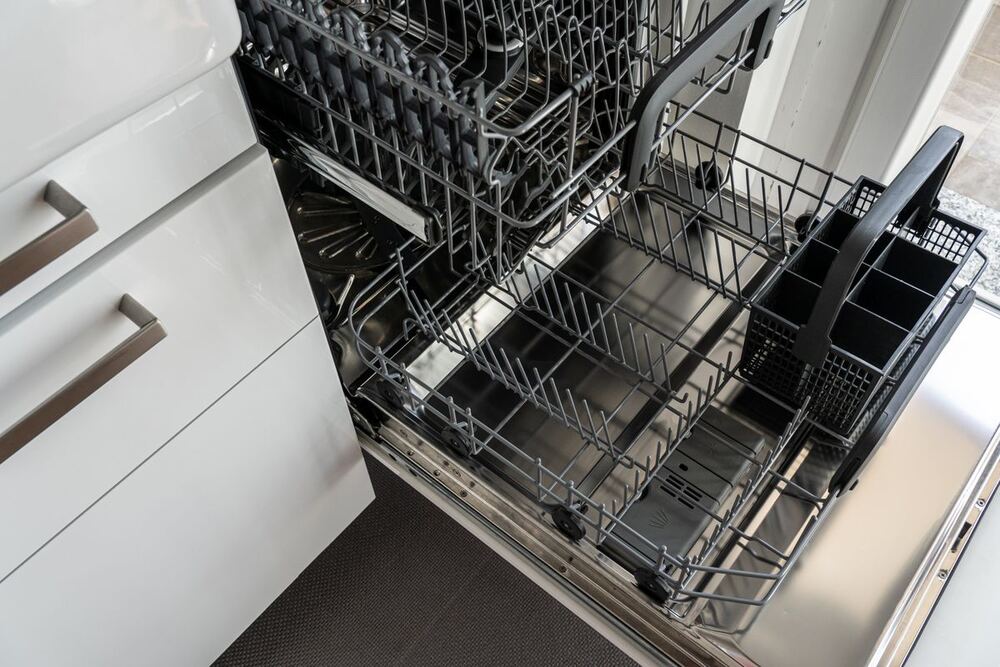
Most people assume hand washing saves resources. For a typical household, the opposite is often true. The US Department of Energy says that washing dishes by hand costs about $40 a year more in utility costs than washing them in a fully loaded dishwasher.
ENERGY STAR adds that certified dishwashers use 12% less energy than standard models and can save about 3,870 gallons of water over their average 10-year lifetime. The details matter, though. The result depends on how you wash by hand, how full the machine is and how old it is.
Why the dishwasher often wins
A modern dishwasher uses a measured amount of water, recirculates it and heats only what it needs. Hand washing with the tap running can use far more hot water than one cycle. The key is that dishwashers use almost the same amount of energy and water whatever the number of dishes inside, so a full load is the efficient load.
Hand washing can be efficient if you fill a basin or sink instead of letting water run, and use cool or warm water. If you only have a few dishes, hand washing in a basin may beat running a half-empty machine.
Do not pre-rinse
The Department of Energy says to avoid pre-rinsing dishes. Scrape off food scraps and let the machine do the cleaning. ENERGY STAR dishwashers and current detergents are designed to handle it. If dirty dishes will sit overnight, use the rinse feature on the dishwasher, which uses a fraction of the water that hand rinsing does, according to the same guide.
Pre-rinsing also wastes the hot water you paid to heat. Scraping is enough. Do not scrape so little that big chunks reach the filter, since clogged filters reduce cleaning.
Run full loads
Because the machine uses about the same amount of energy and water whatever the load, wait until it is full. Do not overload so that spray arms are blocked. A few tips:
- Load large items at the sides and back so they do not block the spray.
- Face dirty surfaces toward the center spray.
- Do not nest bowls or spoons.
- Put plastic on the top rack, where heat is lower.
If you cook for one or two people, many dishwashers have a short or half-load cycle. Use it, or use a compact model.
Pick the right cycle
- Choose the energy-saving or eco cycle. The Department of Energy says energy-saving wash cycles use less water for a shorter period.
- Skip the heated dry. The Department of Energy recommends the no-heat drying option, which it says dries dishes well and uses less energy. Open the door when the cycle ends if you want dishes dry sooner.
- Use the delayed start, if your utility has cheaper rates at night. Check with your supplier.
Buying a new dishwasher
The Department of Energy suggests:
- Choose the right size. Compact models hold up to eight place settings and six serving pieces. Standard models hold more. If you run a compact model often, you may use more energy over time than with a standard model.
- Choose a model with several wash cycle options.
- Look for the ENERGY STAR label and compare the EnergyGuide label for yearly energy and water use.
Then check local utility offers. Old dishwashers can leak or lose efficiency. If your machine is over ten years old and not cleaning well, a new model may repay itself over time through lower water and energy bills. If it still works well, keep it, since manufacturing a new appliance also has a footprint.
Keep the machine in good shape
- Clean the filter at the bottom of the tub every month or so. Check the manual.
- Wipe the door seal.
- Run a cleaning cycle or use dishwasher cleaner if you see buildup or smell odors.
- Check spray arm holes for clogs.
- Use the right amount of detergent. Too much leaves residue.
When hand washing makes sense
- Non-dishwasher-safe items such as sharp knives, wooden boards and cast iron.
- Very few dishes.
- Fine glassware that your machine does not clean gently.
For hand washing, use a basin or plug one sink with wash water and use another for rinsing. Keep the water at a comfortable warm temperature, not scalding. The less hot water, the more you save, since heating water is the bigger cost. See our water heater guide.
Quick answer
If you own an efficient dishwasher, run it full, skip the pre-rinse, use the eco cycle and air-dry. For small loads or special items, wash by hand in a basin, not under a running tap.
Sources
- US Department of Energy, "Consumer Guide to Kitchen Appliances": https://www.energy.gov/sites/default/files/2021-08/ES-KitchenAppliances_080221.pdf