Indoor Plants for Low Light, and the Truth About Air Cleaning
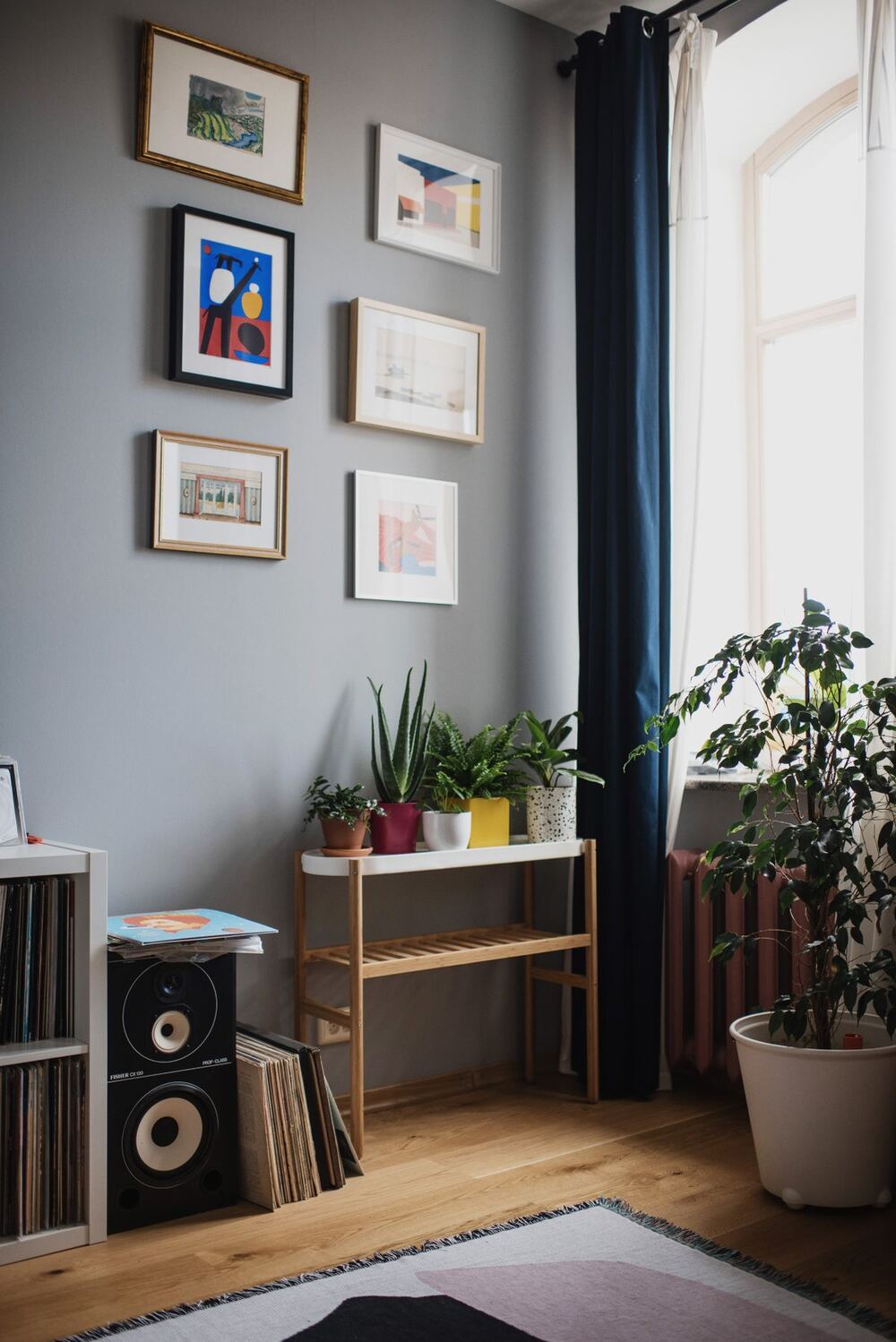
Houseplants make rooms feel better, but they have limits. This guide covers how to keep plants alive in dim rooms and what the research says about air cleaning claims.
The air-cleaning claim, checked
You may have read that houseplants purify indoor air. The claim often cites an old NASA experiment in sealed chambers. A 2020 review by Cummings and Waring, published in the Journal of Exposure Science & Environmental Epidemiology, looked at the research to see whether plants can clean indoor air under real conditions. They compared the clean air delivery rate (CADR) of potted plants with air exchange from ventilation. They found a median single-plant CADR of about 0.023 cubic meters per hour for the volatile organic compounds studied. They estimated you would need roughly 10 to 1,000 plants per square meter of floor space to match ordinary air exchange from outdoor ventilation in a building.
So keep plants for the pleasure of them. For air quality, open windows when outdoor air is good, use exhaust fans while cooking and avoid sources of pollution. Plants will not replace ventilation.
What "low light" means
Low light is not no light. Plants need some light to survive. A room is low light if:
- It faces north, or is far from a window, but you can read comfortably in daylight without turning on a lamp.
- Direct sun never reaches the plant.
If a spot is too dark to read in, add a grow light or move the plant. Many plants on dark shelves slowly decline.
Plants that tolerate low light
These are commonly described as tolerant of dim indoor spots, based on general horticultural experience rather than a single cited study. Each still needs some light:
- Snake plant (Sansevieria / Dracaena trifasciata). Tough, and stores water in its leaves.
- ZZ plant (Zamioculcas zamiifolia). Slow growing, drought tolerant.
- Pothos (Epipremnum aureum). Trails or climbs, and grows quickly in moderate light.
- Cast iron plant (Aspidistra elatior). Tolerant of shade and neglect.
- Peace lily (Spathiphyllum). Droops when thirsty. Bright shade preferred.
- Philodendron (heartleaf). Vining, easy.
- Spider plant (Chlorophytum comosum). Quick growing, produces plantlets.
Safety note: several common houseplants, including pothos, philodendron and peace lily, are toxic if eaten. If you have pets or small children, check each plant with a poison control or veterinary list such as the ASPCA's before buying.
Watering
Overwatering kills more houseplants than neglect.
- Check the soil with your finger. For most plants, water when the top inch or two feels dry.
- Water thoroughly until water drains out, then empty the saucer.
- Low-light plants use less water, so water less in dim rooms and in winter.
- Use pots with drainage holes.
Soil, pots and feeding
- Use potting mix, not garden soil.
- Repot when roots circle the pot or grow out of the holes, usually every year or two.
- Feed lightly during active growth in spring and summer. Low-light plants need little fertilizer.
- Reuse pots and swap cuttings with friends rather than buying new ones. See secondhand shopping.
Common problems
- Yellow leaves: often overwatering or old leaves dropping.
- Brown tips: dry air, salt build-up or inconsistent watering.
- Leggy growth: the plant is stretching for light. Move it closer to a window.
- Pests (fungus gnats, spider mites): let soil dry out, wipe leaves, isolate the plant and treat as needed.
Quick checklist
- Pick a plant to suit the actual light.
- Water only when the soil is dry.
- Check toxicity if you have pets or kids.
- Do not count on plants to clean the air. Ventilate instead.
Sources
- Cummings BE, Waring MS. "Potted plants do not improve indoor air quality: a review and analysis of reported VOC removal efficiencies." Journal of Exposure Science & Environmental Epidemiology 30(2):253-261 (2020), indexed at EPA HERO: https://hero.epa.gov/reference/7725322/