Secondhand Shopping: How to Find Good Items and Avoid Bad Buys
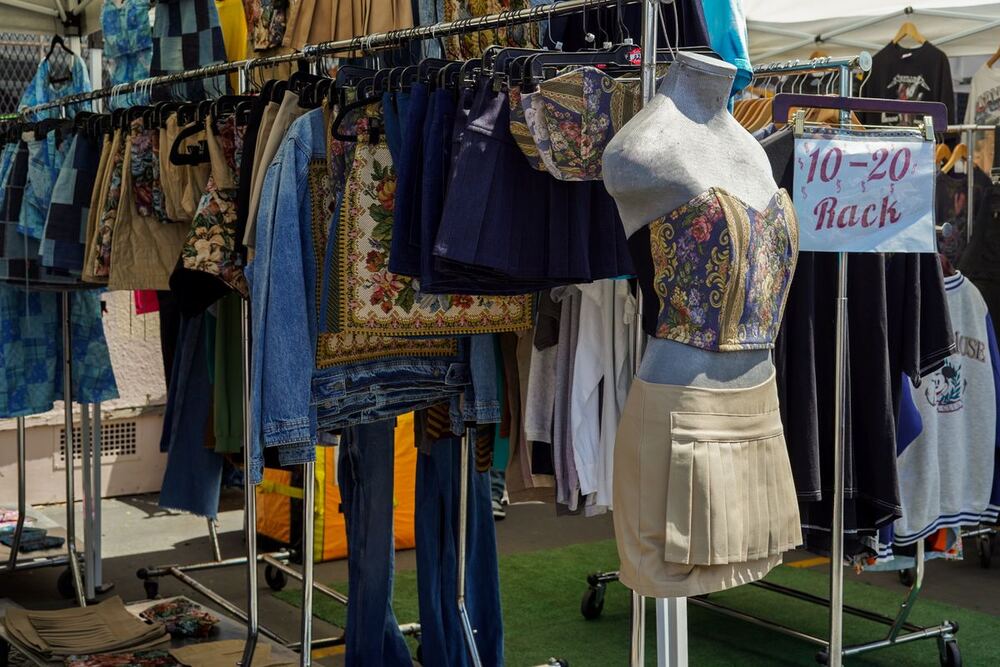
Buying secondhand extends the life of things that already exist. The US Environmental Protection Agency (EPA) estimated that textiles, mainly discarded clothing, made up 17 million tons of US municipal solid waste in 2018, which was 5.8% of the total. Only 14.7% of textiles were recycled that year, and 11.3 million tons went to landfills.
Those figures do not include clothing that was reused or donated, which the EPA says is significant but not counted in its numbers. Keeping an item in use is usually better than recycling it.
Where to buy
- Thrift and charity shops. Prices are low and proceeds may support a cause.
- Consignment shops. Items are selected for quality, and prices are higher.
- Online resale platforms. Large selection and search tools, but you cannot touch the item.
- Local marketplaces and neighborhood groups. Good for furniture, tools and kids' gear.
- Flea markets and garage sales. Haggling is expected.
- Swaps and hand-me-downs. Free and often the best fit.
- Refurbished electronics from sellers that test and guarantee them.
What to buy secondhand
Good choices:
- Clothes, shoes and bags, especially classic styles.
- Books, games and puzzles.
- Furniture, especially solid wood.
- Kitchenware, glassware and tools.
- Bikes (see our bike commuting guide).
- Children's clothes and toys that will be outgrown quickly.
What to check
Clothes
- Seams, zippers, buttons and hems.
- Stains, odors and moth holes.
- Pilling or thin fabric at elbows and underarms.
- The tag for fabric content and care instructions.
- Sizing. Try items on, because sizes vary over time and brands.
Furniture
- Wobbly joints, cracks and signs of insects.
- Smell, especially for mold or smoke.
- Drawers that slide properly.
- Upholstery stains. Mattresses are best bought new for hygiene.
Electronics and appliances
- Test before buying if possible. Ask about the age and the return policy.
- Check for battery condition on phones, laptops and tools.
- For refrigerators and large appliances, check the energy label. The US Department of Energy says an old refrigerator can cost up to 33% more to run than the newest ENERGY STAR models, so a very old appliance may cost more in energy than it saves in price. See our refrigerator guide.
Safety items
Buy these new or with great care: child car seats (they have expiry dates and may have been in crashes), bicycle helmets, cribs (safety rules change), mattresses and anything recalled. Check recall databases from your national product safety agency before using a secondhand children's product.
Online buying tips
- Read the description and look at all photos. Ask for measurements and extra photos.
- Check seller ratings and return options.
- Do not pay outside the platform's protected payment system if you can avoid it.
- Meet in a public place for local sales and bring a friend for large items.
- Be cautious of prices that are too good to be true.
Cleaning and caring for secondhand items
- Wash clothes before you wear them, following the care label.
- Air out furniture and clean surfaces with mild soap and water.
- Replace worn parts like batteries or filters.
- Do not mix cleaning products. See our cleaning guide.
Selling and donating
When you are done with something, pass it on. Donate clean, usable items to charity shops, schools or community groups. Ask what they accept, since some cannot take certain items. Sell higher-value items online. Textile items that are too worn for reuse can often go to textile recycling collection points. Check with your local council.
Being honest about the benefits
Secondhand shopping reduces demand for new products, but it can encourage more buying if low prices make you buy things you do not need. The most sustainable item is often the one you already own. Buy secondhand when you need something, not just because it is cheap. See our guide to a sustainable wardrobe.
Quick checklist
- Make a list before you go.
- Check quality, fit and function.
- Set a budget and stick to it.
- Skip safety-critical items unless you can verify them.
- Donate or resell what you no longer use.
Sources
- US EPA, "Textiles: Material-Specific Data": https://www.epa.gov/facts-and-figures-about-materials-waste-and-recycling/textiles-material-specific-data
- US Department of Energy, "Consumer Guide to Kitchen Appliances": https://www.energy.gov/sites/default/files/2021-08/ES-KitchenAppliances_080221.pdf