Bike Commuting Basics: Getting Started Safely
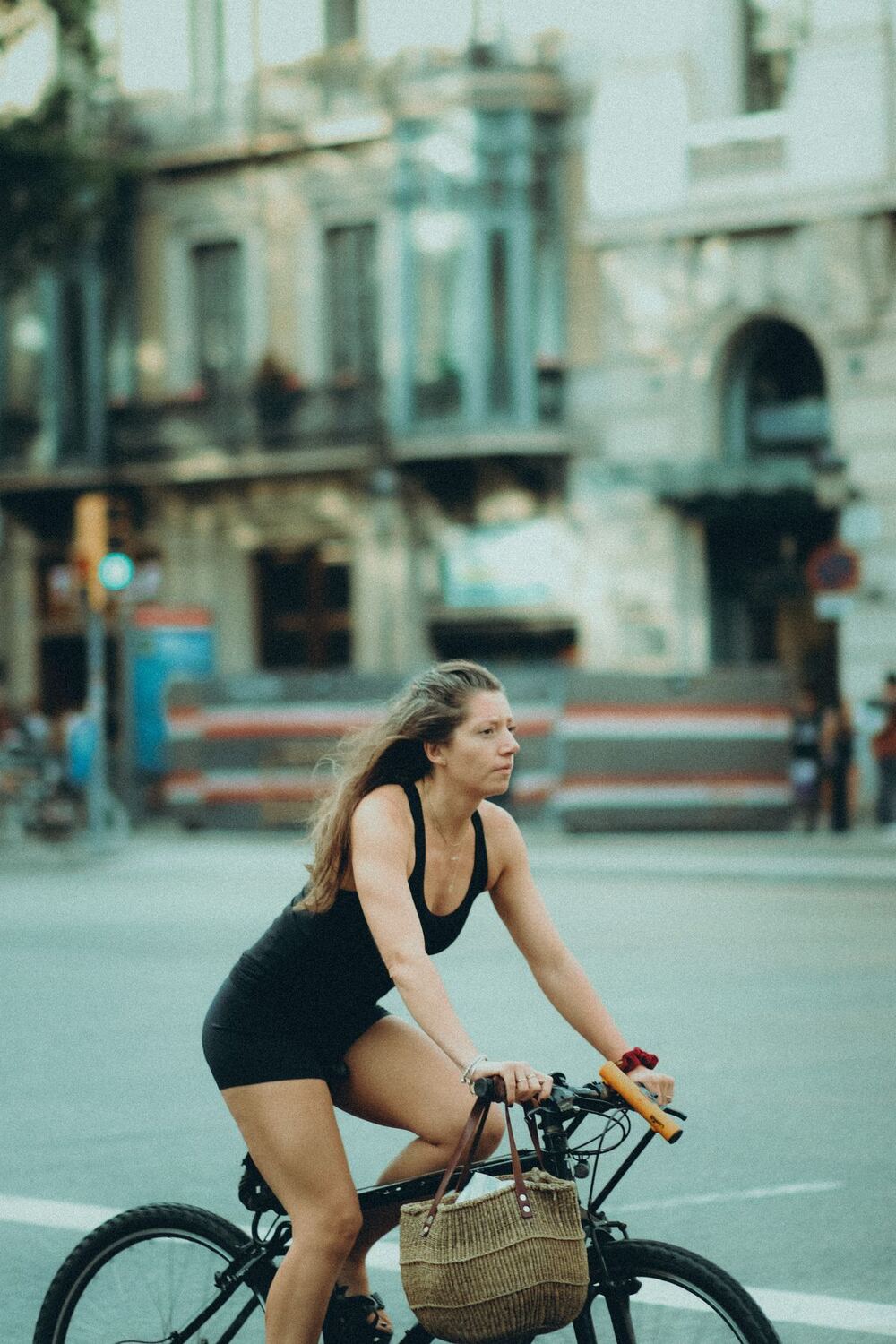
Riding a bike for part of your commute can cut fuel use and add physical activity to the day. The US Centers for Disease Control and Prevention (CDC) says that making walking, bicycling and transit safer and easier gives people more ways to get regular physical activity, with health, economic and environmental benefits for communities.
It does not suit every route. This guide helps you test it without commitment.
Check whether your route can work
- Distance. Many people find 3 to 8 miles (5 to 13 km) a comfortable ride each way. Longer is possible with practice or an electric bike.
- Road conditions. Look at the route on a map. Look for bike lanes, protected paths, quiet streets and traffic signals you can cross safely.
- Weather and daylight. Consider rain, heat, cold and dark mornings or evenings.
- Arrival. Can you park the bike securely and change or freshen up at work?
CDC guidance for communities notes that bike travel is safer and more appealing with protected bike lanes, separated paths and low-speed, low-traffic streets. If your route lacks these, look for a different route even if it is slightly longer.
Try it first
- Ride the route on a weekend to see how long it takes.
- Try it as a one-day commute, on a day that suits your schedule.
- Mix modes: bike to a train or bus stop, or ride one way.
- Track how it feels, how long it takes and what you would change.
Choose a bike
You do not need an expensive bike. Reliable options for commuting:
- A hybrid or city bike with upright seating, fenders and a rack.
- An electric bike if the route is long or hilly or you want to arrive without sweating. Check local rules for e-bike classes.
- A used bike from a reputable shop. See our secondhand shopping guide.
Make sure the bike fits. Standing over the top tube, you should have clearance. Your leg should be almost straight at the bottom of the pedal stroke. A bike shop can adjust the saddle height for you.
Basic gear
- Helmet. Wear a properly fitted helmet. Many regions require it for some riders.
- Lights. A white front light and red rear light, even in daylight. Use them at dawn, dusk and night as the law requires.
- Reflective items on clothes, bag or bike.
- A lock. A good U-lock or heavy chain. Lock the frame and a wheel to a fixed object.
- Fenders to keep water and mud off you.
- A bell or horn.
- A repair kit. Spare tube, tire levers, a small pump and a multi-tool.
- A bag or pannier so you do not carry weight on your back.
Ride safely in traffic
- Follow the same traffic laws as drivers where they apply.
- Ride in a predictable straight line, not weaving.
- Use hand signals for turns and stops.
- Stay out of drivers' blind spots, especially trucks and buses.
- Watch for opening car doors. Ride about a door's width away from parked cars.
- Make eye contact with drivers at junctions, and do not assume they see you.
- Slow down at crossings and on wet surfaces.
- Do not use headphones that block traffic sounds.
Local cycling groups often run free skills classes for adults.
Handle weather
- Rain. Wear a waterproof jacket, use fenders and brake early. Wet roads are slippery, especially metal covers and painted lines.
- Heat. Ride early or late, drink water and wear light clothes.
- Cold. Wear layers, gloves, a warm hat under the helmet and shoe covers. Roads may have ice, so be cautious or take another mode.
- Wind. Plan your route for a headwind on the way out if you can.
Keep the bike in good shape
- Check tire pressure weekly. The recommended range is printed on the tire sidewall.
- Check brakes before each ride.
- Keep the chain clean and oiled.
- Have a shop do a yearly tune-up.
What about the climate math?
A bike trip replacing a car trip avoids the fuel the car would have used. FuelEconomy.gov notes that short trips with a cold engine use more fuel per mile than long trips. See our guide to fuel-efficient driving. The actual savings depend on your car and your trip, so treat any figure as an estimate. The fuel cost saved is easy to calculate: miles ridden, divided by your car's miles per gallon, times fuel price.
Quick checklist
- Test the route on a weekend.
- Get a bike that fits, plus lights, helmet and lock.
- Start with one or two days a week.
- Pick safer, quieter streets even if longer.
- Check the bike regularly.
Sources
- US CDC, "Active People, Healthy Nation: Transportation": https://www.cdc.gov/active-people-healthy-nation/php/tools/transportation.html
- FuelEconomy.gov, "Gas Mileage Tips: Driving More Efficiently": https://www.fueleconomy.gov/feg/driveHabits.jsp