15 Ways to Save Water at Home Without Changing How You Live
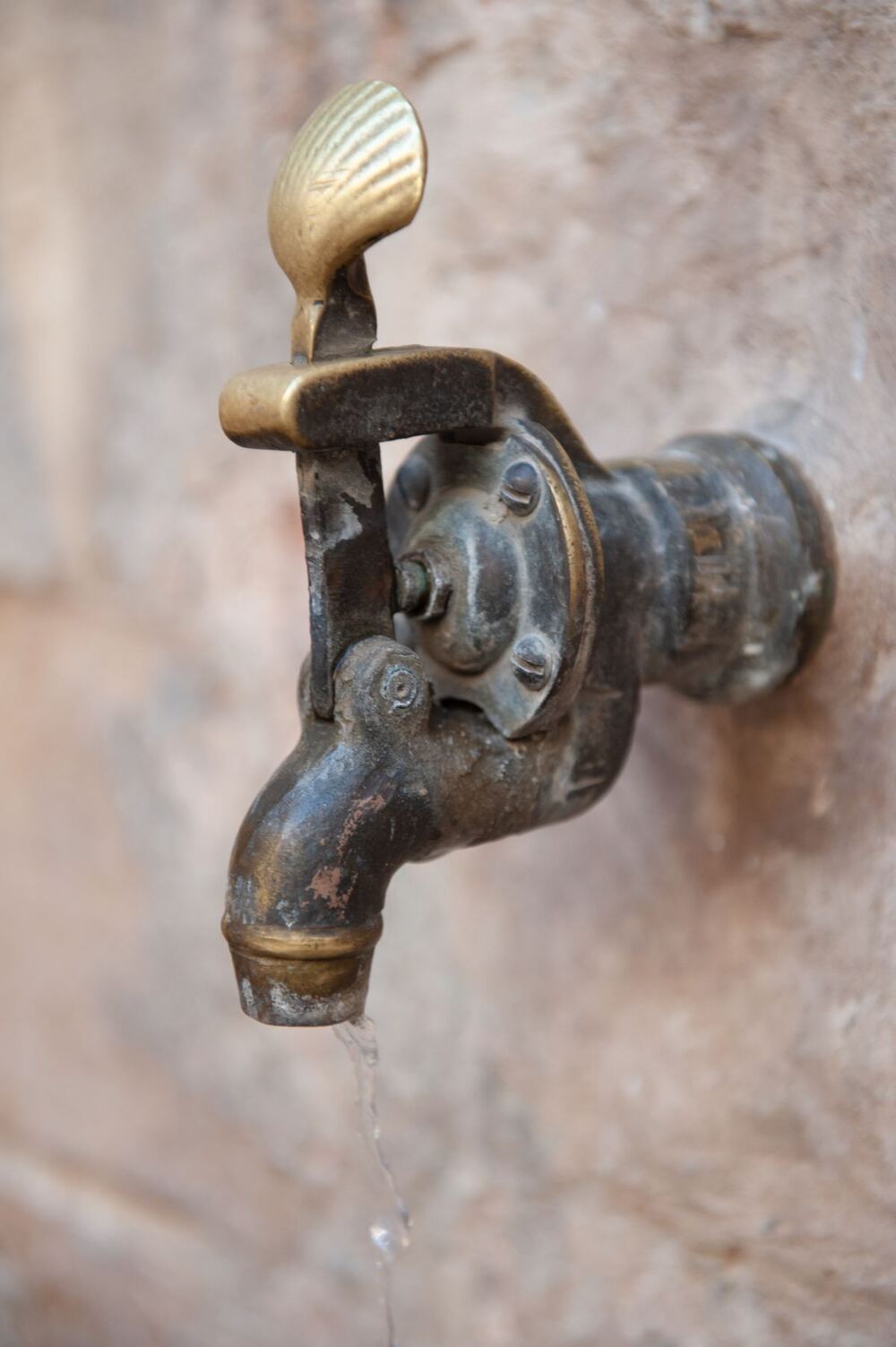
The US Environmental Protection Agency (EPA) says the average American family uses more than 300 gallons of water per day at home. Roughly 70% of that is used indoors. Nationally, outdoor use accounts for about 30% of household water use, and it can be much higher in dry regions and water-intensive landscapes.
The EPA also notes that less than 1% of the Earth's water is available for human use. Saving water cuts bills, reduces strain on supplies and, when it is hot water, saves energy too.
Start with the biggest wins
1. Fix leaks
The EPA says the average household's leaks can waste more than 9,300 gallons a year, and fixing easily corrected leaks can save about 10% on the water bill. Check toilets with a few drops of food coloring in the tank, and read your meter before and after two hours of no water use. See our leak guide.
2. Replace the showerhead
Showers account for nearly 17% of residential indoor water use, according to the EPA. WaterSense showerheads use no more than 2.0 gallons per minute, compared with 2.5 for standard models. The EPA says the average family could save 2,700 gallons a year. See our showerhead guide.
3. Look at the toilet
The US Department of Energy says toilets can account for almost a third of average indoor water use. If yours is old, a WaterSense labeled toilet uses less water per flush. Even before replacing, fix a running toilet and do not use it as a wastebasket.
4. Wash full loads
The Department of Energy says ENERGY STAR washing machines use 33% less water than conventional ones, and that a washer that does not qualify can use 17 more gallons for every load. See our laundry guide. For dishes, see dishwasher vs. hand washing.
Small habits that add up
5. Turn off the tap
Switch off the water while brushing teeth, shaving or lathering your hands. It costs nothing.
6. Keep a jug of drinking water in the fridge
You avoid running the tap until it gets cold.
7. Reuse water where it is safe
Water used to rinse vegetables can go on houseplants. A bucket in the shower to catch the cold water before it warms up can water plants. Do not reuse water from cleaning chemicals or from washing raw meat.
8. Thaw food in the fridge
Do not run the tap to thaw it.
9. Use a basin to wash dishes by hand
A filled basin uses less water than a running tap.
Outdoors
10. Water early or late and only when needed
Watering in the cooler parts of the day reduces evaporation. Check soil moisture before watering. A finger two inches in tells you more than a calendar.
11. Check sprinklers
The EPA says a sprinkler leak 1/32 of an inch wide can waste about 6,300 gallons a month. Inspect irrigation systems every spring.
12. Choose plants that suit your climate
Native and drought-tolerant plants need less watering once established. Group plants with similar needs.
13. Use mulch
A layer of mulch around plants reduces evaporation and weeds.
14. Collect rainwater
A rain barrel gives you free water for the garden. See our rain barrel guide.
15. Sweep, do not hose
Use a broom on driveways and patios. Wash cars with a bucket or at a commercial wash that recycles water.
Hot water: a double saving
The Department of Energy says water heating can account for nearly a quarter of the energy used in a home, and that 80% to 90% of the energy used to heat water is wasted as it goes down the drain. Using less hot water saves both. See our water heater guide.
How to measure progress
Read your water meter at the same time each week. Or check your bill and note gallons or cubic meters used. The EPA suggests comparing usage in a cold month. If a family of four uses over 12,000 gallons a month in winter, check for leaks.
What to expect
If you fix a leak and fit a showerhead, you may see a visible change on the next bill. Habits help but are harder to measure. Do not worry about perfection. Choose three changes and keep them going.
Sources
- US EPA WaterSense, "How We Use Water": https://www.epa.gov/watersense/how-we-use-water
- US EPA WaterSense, "Fix a Leak Week": https://www.epa.gov/watersense/fix-leak-week
- US EPA WaterSense, "Showerheads": https://www.epa.gov/watersense/showerheads
- US Department of Energy, "Consumer Guide to Home Water Efficiency": https://www.energy.gov/sites/default/files/2021-08/ES-Home%20Water%20Efficiency_080421.pdf