Battery Recycling: Which Batteries Go Where, and How to Store Them Safely
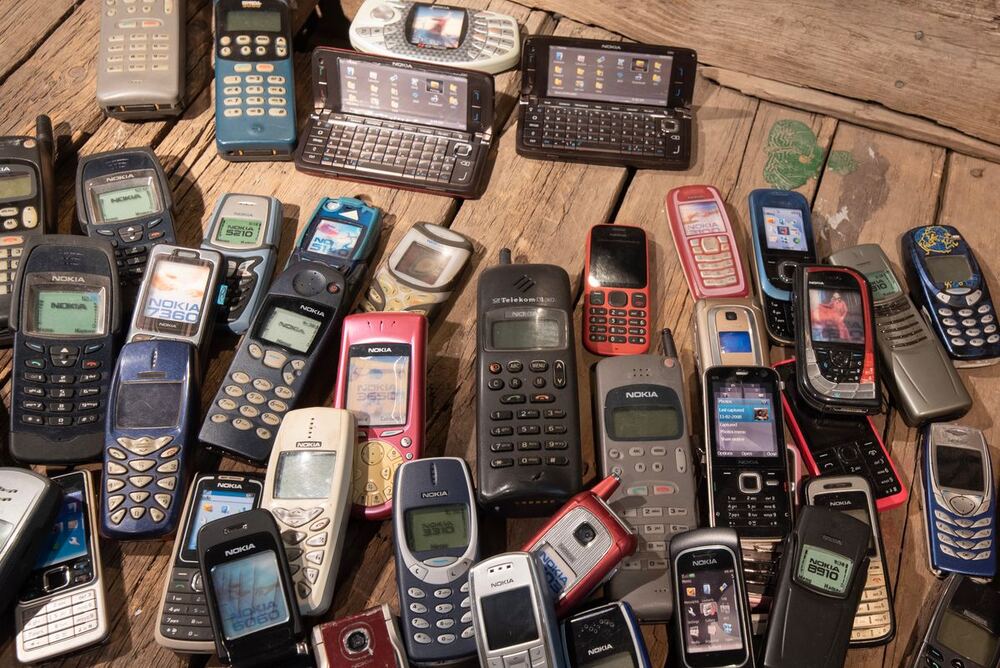
Batteries power phones, remotes, toys, tools and cars. When they run out, many people throw them in the trash. The US Environmental Protection Agency (EPA) says certain batteries should not go in household garbage or recycling bins. It says waste batteries can always be recycled or taken to household hazardous waste collection points.
The main reasons are safety and lost resources. Lithium-ion batteries can start fires if they are damaged or crushed, and they contain materials the EPA calls critical minerals.
Know your battery type
The EPA groups common household batteries like this:
- Single-use (dry cell) batteries. Alkaline and carbon-zinc batteries in sizes AA, AAA, C, D and 9-volt. Also button cells such as mercuric-oxide, silver-oxide and zinc-air. The EPA suggests looking for in-store recycling bins or community collection events.
- Lithium metal batteries. Not rechargeable. Used in cameras, watches, remote controls, handheld games and smoke detectors. They can be hard to tell apart from alkaline batteries of the same size. Do not put them in the trash or curbside bin.
- Lithium-ion batteries. Rechargeable. Found in phones, laptops, tablets, power tools, e-bikes, wireless headphones, toys and e-cigarettes. Do not put them in the trash or curbside bins.
- Other rechargeable batteries. Nickel cadmium, nickel metal hydride and nickel-zinc, found in cordless tools, cordless phones and digital cameras. Take them to dedicated collection points.
- Lead-acid batteries. Found in cars, boats, motorcycles, golf carts and wheelchairs. Return them to a battery retailer or local hazardous waste program.
Lead-acid batteries are among the most recycled products. The EPA says 2.9 million were recycled in 2018, which was 99% of generation. Other battery types are not tracked as closely.
Why lithium-ion batteries are a special case
The EPA says lithium-ion batteries and the devices that contain them should be taken to separate recycling or household hazardous waste collection points. If a battery or device is thrown in the trash or placed in the municipal recycling bin, it may be damaged or crushed in transport or by sorting machinery, creating a fire hazard. In the EPA's words, even used batteries can have enough energy to injure or start fires.
Li-ion batteries are also made of materials such as cobalt, graphite and lithium. The EPA calls them critical minerals, with no easy substitutes. When batteries go to a landfill, those materials are lost.
How to store used batteries safely
The EPA's handling advice is simple:
- Tape the battery terminals with non-conductive tape such as electrical tape, or place each battery or device in its own plastic bag. This stops terminals touching each other or metal objects.
- Store used batteries in a cool, dry place in a non-metal container, away from anything that burns.
- Do not store them loose in a drawer with keys or coins.
- If a battery is damaged, swollen, hot or leaking, contact the battery or device manufacturer for specific handling information. Stop using the device.
Do not try to take apart a lithium-ion battery. Do not charge a damaged battery.
Where to take them
The EPA points to two databases for finding a recycling location: Earth911 and Call2Recycle. Other options:
- In-store recycling bins at hardware, electronics and big-box stores.
- Household hazardous waste collection sites and events.
- Retailer or manufacturer take-back programs for devices.
- Certified electronics recyclers for devices with built-in batteries. See our guide to recycling electronics.
Some US states have battery recycling laws. The EPA has a page listing federal and state battery laws. If you live elsewhere, check your own country's rules.
Reduce battery waste
- Use rechargeable batteries in devices you use a lot, such as game controllers and remote-control toys. The EPA notes that rechargeable batteries should also be recycled at the end of their life.
- Choose devices with replaceable batteries where practical.
- Do not leave batteries in devices you will not use for a long time.
- Buy only the batteries you need.
Quick checklist
- Sort batteries by type.
- Tape terminals or bag each battery.
- Keep them in a cool, dry container.
- Take them to a store bin, hazardous waste site or take-back program.
- Never put lithium-ion batteries in the trash or curbside recycling.
For other items that need careful handling, see common recycling mistakes.
Sources
- US EPA, "Used Household Batteries": https://www.epa.gov/recycle/used-household-batteries
- US EPA, "Used Lithium-Ion Batteries": https://www.epa.gov/recycle/used-lithium-ion-batteries
- US EPA, "How Do I Recycle Common Recyclables": https://www.epa.gov/recycle/how-do-i-recycle-common-recyclables