Meal Planning and Food Storage: A Practical Guide to Making Groceries Last
Planning and storage are the two quiet habits that decide how much food ends up in the bin. This guide follows advice from the US Environmental Protection Agency (EPA) and adds practical steps you can use this week.
Start with a five-minute check
Before you shop, open the refrigerator, freezer and pantry. The EPA suggests making a list each week of what needs to be used up and planning upcoming meals around it. This stops you buying a third bag of rice or a fourth jar of mustard.
Plan meals before you shop
The EPA says that planning your meals for the week before you go shopping and buying only the things needed for those meals helps you waste less. Some ideas from its tips:
- Keep a running list of meals your household already likes. You can pick, shop for and cook meals you will actually eat.
- Count your meals at home. Consider how often you will eat out, whether you will eat frozen precooked meals and whether you will eat leftovers.
- Write quantities on the list. The EPA suggests noting how many meals each item will cover, for example "salad greens, enough for two lunches."
- Be careful with bulk deals. Buy-one-get-one offers only save money if you use all the food before it spoils.
A simple weekly template: pick two or three main dishes that make leftovers, one or two quick meals, one "use it up" meal and one night for leftovers or eating out. Leave space for change.
Shop smart
- Buy from bulk bins in the amount you need. The EPA says this saves money and reduces food waste and packaging, as long as you store the food properly in airtight, labeled containers.
- Consider imperfect produce. The EPA says it may have physical imperfections but is just as safe and nutritious and can sometimes be found at lower prices.
- Check dates on perishables at the shop, and take cold items home quickly.
- Take reusable bags. See our guide to reusable vs. disposable.
Store fruit and vegetables correctly
The EPA gives these specifics:
- Most vegetables, especially those that wilt, such as leafy greens, carrots, cucumbers and broccoli, should go in the high-humidity drawer of the fridge.
- Most fruits, and vegetables that tend to rot, such as mushrooms and peppers, should go in the low-humidity drawer.
- Some fruits release ethylene gas as they ripen, including bananas, apples, pears, stone fruits and avocados. This makes nearby produce ripen and possibly spoil faster, so store them apart from other produce.
- Wait to wash berries, cherries and grapes until you are ready to eat them, to prevent mold.
- Potatoes, eggplant, winter squash, onions and garlic belong in a cool, dry, dark, well-ventilated place.
Drawer names and settings vary by fridge, so follow the labels on your model.
Store food in the right part of the fridge
According to the EPA:
- The refrigerator door is the warmest part. Condiments are fine there, but milk and eggs are not recommended there.
- The lower shelves are the coldest. Store raw meat, poultry and fish there, ideally on a tray so juices cannot drip onto other food.
- Keep the refrigerator at 40 degrees Fahrenheit or below for food safety.
The US Department of Energy suggests keeping the refrigerator between 35 and 38 degrees Fahrenheit and the freezer at 0 degrees Fahrenheit for efficient operation. Both ranges are consistent with the 40 degree limit. See our refrigerator efficiency guide.
Use the freezer on purpose
The EPA says to befriend your freezer and visit it often. Freeze bread, sliced fruit, meat or leftovers you know will not be eaten in time. Label everything with contents and date. Freeze in portions you will actually use, such as flat bags that thaw fast. Freeze ripe bananas for smoothies and spare bread in slices.
Store grains, leftovers and cooked food safely
- Store grains and dry goods in airtight containers and label them with contents and dates.
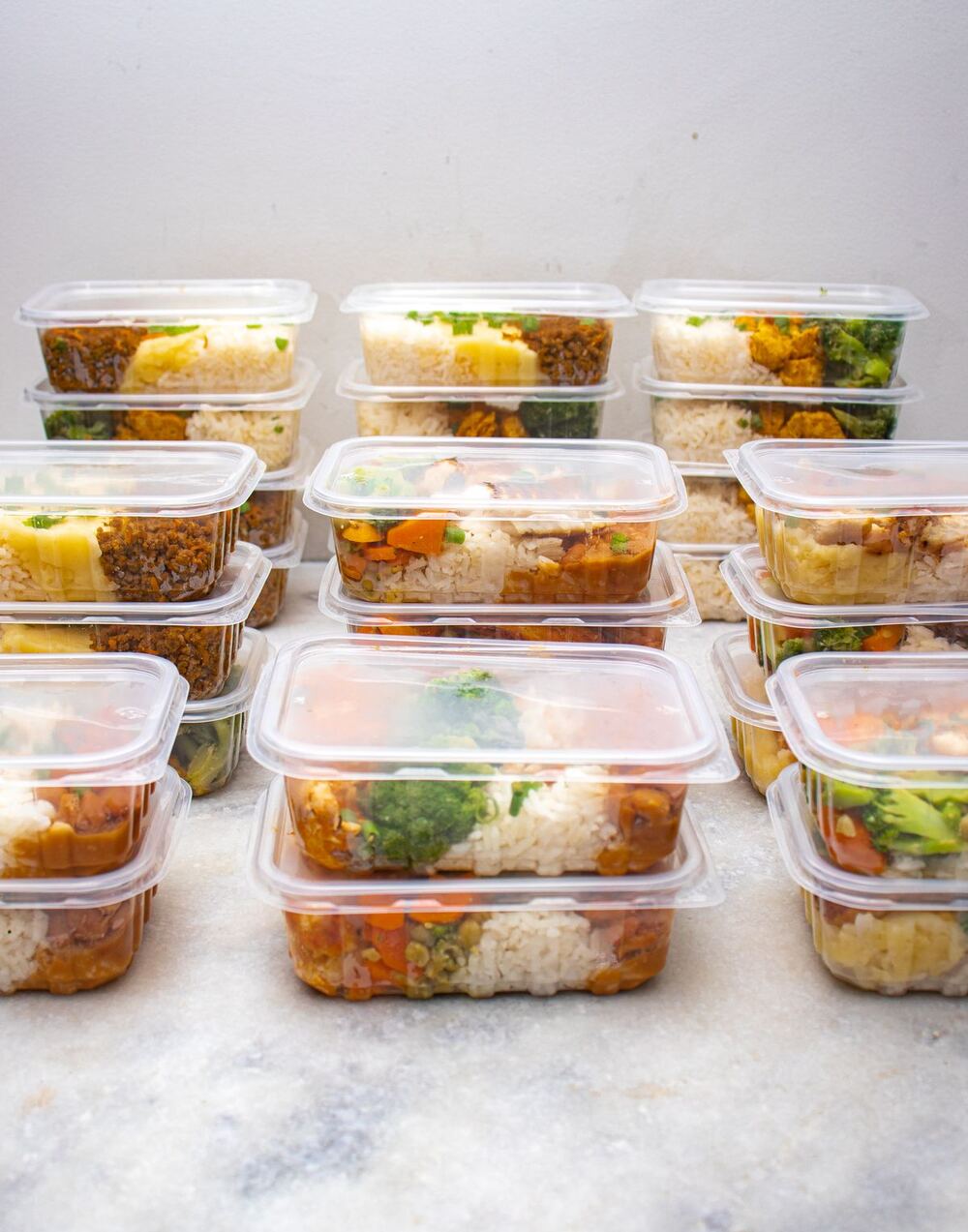
- Refrigerate or freeze leftovers in clear, labeled containers with dates.
- Do not leave perishable food at room temperature for more than two hours.
- Cool large pots of hot food in shallow containers so they chill quickly.
A weekly rhythm
| Day | Task |
|---|---|
| Before shopping | Check the fridge, freezer and pantry. Write a meal plan and a list with quantities. |
| After shopping | Wash and store produce properly. Freeze what you will not use soon. |
| Mid-week | Move older items to the front. Cook a "use it up" meal. |
| End of week | Check for leftovers. Freeze or compost. Update the list of meals you like. |
Common mistakes
- Buying for the person you want to be, not the person you are. Be honest about how often you cook.
- Overstocking the fridge so you cannot see what is inside.
- Washing all produce when you get home, which can speed mold.
- Leaving leftovers unlabeled, so no one knows how old they are.
For a broader view, see our guide on how to waste less food at home.
Sources
- US EPA, "Preventing Wasted Food At Home": https://www.epa.gov/recycle/reducing-wasted-food-home
- US Department of Energy, "Consumer Guide to Kitchen Appliances": https://www.energy.gov/sites/default/files/2021-08/ES-KitchenAppliances_080221.pdf