Rain Barrels: Collecting Roof Runoff for the Garden
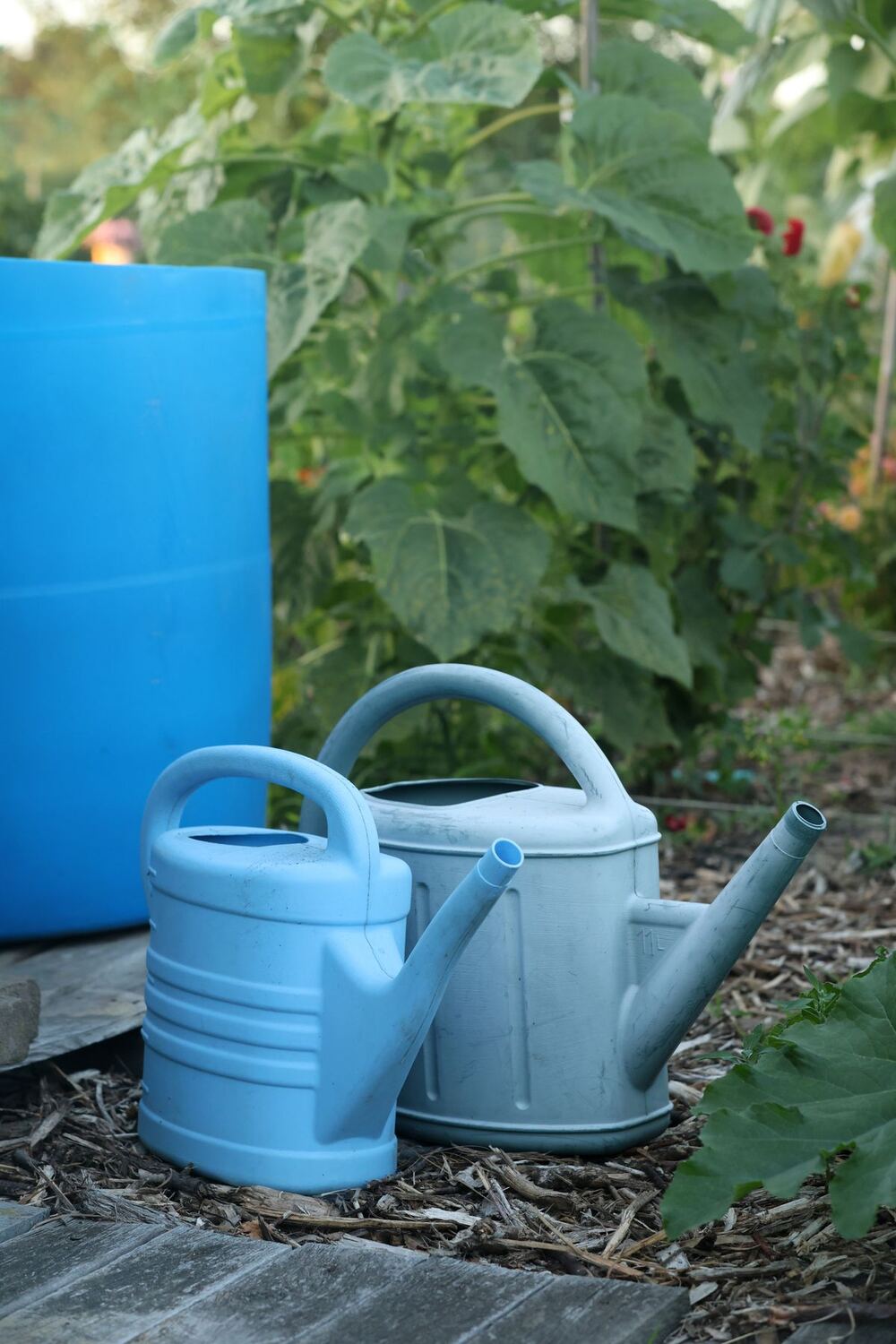
A rain barrel collects water that runs off your roof so you can use it later. The US Environmental Protection Agency (EPA) describes rain barrels as a way to capture roof runoff for lawns, gardens and indoor plants, which can lower the amount of tap water you use and reduce stormwater runoff.
Why use one
- Free water for plants. Rain is free of the chlorine in tap water, and plants usually do well with it.
- Less runoff. Rain from roofs and paved areas can carry pollutants to streams and overload storm drains. A barrel holds some of it back.
- Smaller water bills. The savings depend on your climate, roof size and how much you garden.
How much water can you collect?
A rough formula uses roof area and rainfall. One inch of rain on 1,000 square feet of roof is about 600 gallons in theory (1,000 sq ft x 1/12 ft x 7.48 gallons per cubic foot is about 623 gallons). Real capture is less, because of losses and the size of the barrel. A single 50-gallon barrel can fill with a small storm, so people often connect two or add an overflow hose.
Safety: what to use it for
The EPA notes that roof runoff may contain bacteria from bird and animal droppings and chemicals from roofing materials. It advises being careful when using barrel water on edible plants. Practical steps:
- Use it for ornamental plants, lawns and trees.
- For vegetables, water the soil at the base of plants, not the leaves, and avoid watering the edible parts. Do not use it on crops just before harvest.
- Do not drink it or use it for cooking, bathing or washing pets.
- Be cautious if the roof is treated, such as with some preservatives, or has copper, tar or asphalt shingles that shed.
- Keep a lid or screen on the barrel.
Check local rules. Some places limit or regulate rain collection.
Mosquitoes
Standing water can breed mosquitoes. Keep barrels covered and screen all openings with fine mesh (general good practice, not a quote from the EPA page). Use the water within a week or two where possible, and check the screen often.
Setting one up
- Choose a downspout. Pick one near the area you will water, on a stable site.
- Make a base. A full barrel is heavy. Water weighs about 8.3 pounds per gallon (basic physics), so a 55-gallon barrel holds roughly 450 pounds of water. Use a level, firm platform such as concrete blocks, which also gives room to fill a watering can.
- Add a diverter or cut the downspout. A kit lets rain enter the barrel and returns extra to the downspout when full.
- Include a screen, a spigot near the bottom and an overflow outlet. Point the overflow away from your house foundation.
- Add a hose connection if you want to drain a barrel to a garden bed.
Food-grade barrels are best for reuse. Do not use barrels that held toxic chemicals.
Maintenance
- Clean gutters and screens regularly, especially in autumn.
- Empty the barrel before a freeze and leave it open or turned over so ice does not crack it.
- Flush the barrel at the start of the season.
- Check for leaks and algae. Opaque barrels block light and slow algae.
Using the water well
- Water in the early morning or evening to reduce evaporation.
- Water deeply and less often so plants grow deeper roots.
- Combine barrels with mulch and compost to hold moisture. See our guide to starting composting.
- For indoor use, see our water-saving tips.
Quick checklist
- Use it on lawns and ornamentals first.
- Be careful with edibles.
- Keep it covered and screened.
- Place it on a stable base and direct overflow away from the house.
- Check local rules.
Sources
- US EPA, "Soak Up the Rain: Rain Barrels": https://www.epa.gov/soakuptherain/soak-rain-rain-barrels. Note: the EPA page states it is no longer updated, so check current local guidance too.